Gaza Crisis Deepens: Aid Blocked Amidst Escalating Violence and Soaring Civilian Toll
Gaza Crisis Intensifies: Aid Blocked Amidst Escalating Violence and Soaring Civilian Toll
The humanitarian situation in the Gaza Strip has drastically worsened as Israeli forces encircle Gaza City and continue intense military operations, leading to a significant rise in Palestinian casualties. This escalation coincides with the interception of multiple international aid flotillas attempting to deliver essential supplies, sparking widespread global condemnation and protests.
Aid Flotillas Face Blockade Amidst Growing Tensions
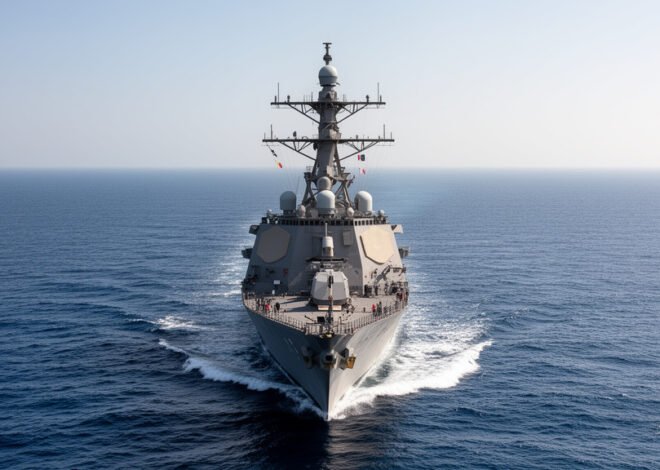
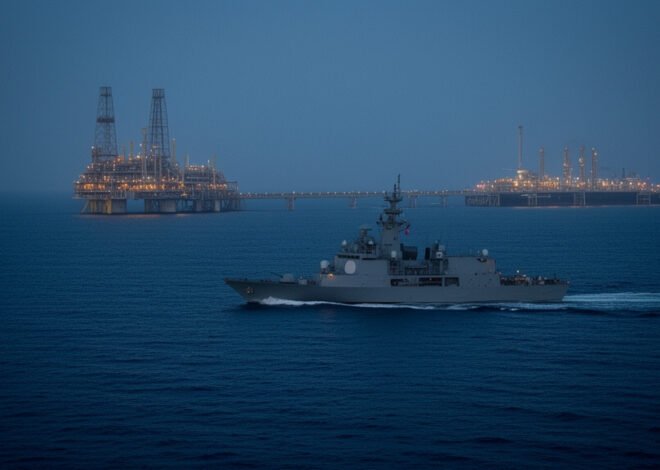
Recent weeks have seen a surge in international efforts to break Israel’s long-standing blockade of Gaza, primarily through maritime aid convoys. However, these initiatives have been met with forceful interception by Israeli naval forces. One prominent event involved the “Global Sumud Flotilla,” comprising around 45 vessels carrying hundreds of activists, politicians, and humanitarian aid. Israeli forces intercepted numerous boats in international waters, detaining over 400 activists, including notable figures such as Swedish climate campaigner Greta Thunberg and Mandla Mandela, grandson of Nelson Mandela.
This interception drew sharp criticism from various nations. South Africa’s President Cyril Ramaphosa called for the immediate release of detained activists, while Turkey’s President Recep Tayyip Erdogan condemned the actions as aggression. Brazil’s foreign ministry deplored the military action, stating Israel bore responsibility for the safety of those detained. The Palestinian Foreign Ministry denounced the interceptions as illegal, asserting Israel’s lack of authority over Gaza’s territorial waters. Protests erupted in major cities worldwide, including Dublin, Paris, and Berlin, as demonstrators condemned Israel’s enforcement of the naval blockade. Despite organizers’ claims that the convoys were peaceful and civilian initiatives, Israel has characterized the flotillas as “stunts” and “provocations” aimed at breaching its naval blockade.
Escalating Military Operations and Devastating Casualties
Parallel to the aid flotilla confrontations, Israeli military operations within Gaza have intensified, particularly around Gaza City. Reports indicate continuous airstrikes and ground incursions resulting in a high number of Palestinian fatalities and injuries. Casualty figures continue to mount daily, with recent reports highlighting the deaths of numerous civilians, including infants and children.
Harrowing accounts emerge from within Gaza’s overwhelmed medical facilities. Al-Aqsa Hospital, already facing severe shortages of medical supplies, is struggling to cope with the influx of wounded. Médecins Sans Frontières (MSF) has reported the tragic loss of its staff members, with one report indicating the killing of their 14th staff member in Gaza since the war began. The UN has also reported on the deaths of aid workers and rescue personnel. UNICEF has provided stark assessments of conditions, noting that since the breakdown of a recent ceasefire, hundreds of children have been killed or injured, with a cumulative toll of over 50,000 children reported killed or injured since the conflict’s onset in October 2023. Critically ill newborns have reportedly died before medical evacuations could be completed, underscoring the dire state of healthcare.
A Deepening Humanitarian Crisis
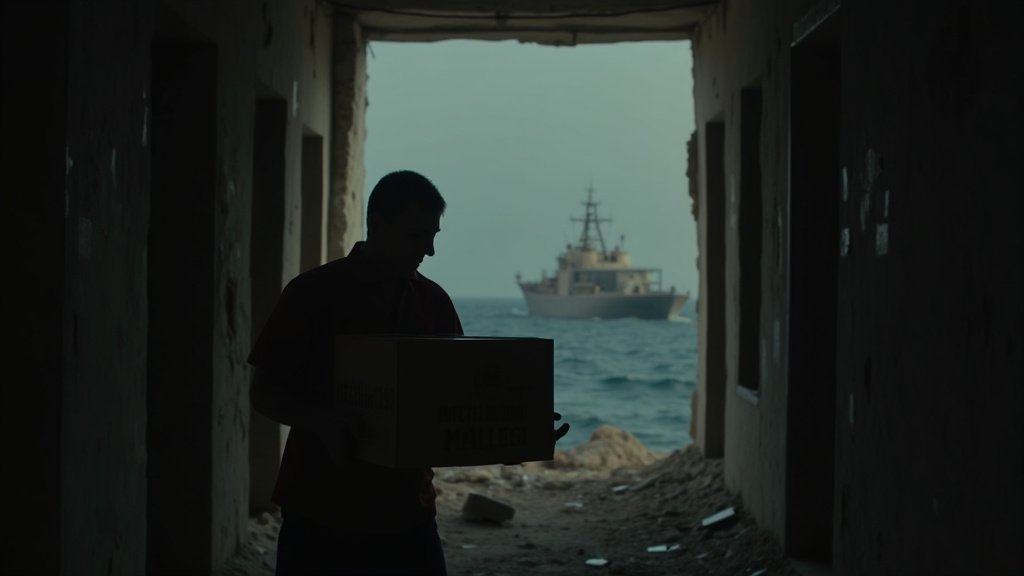
The ongoing conflict and restrictions on aid access have plunged Gaza into a severe humanitarian catastrophe. The United Nations has repeatedly warned of famine conditions, exacerbated by Israel’s tightened blockade. While a recent ceasefire was in effect, its breakdown has led to renewed hostilities and further hampered humanitarian response efforts. Aid organizations face significant challenges in delivering essential supplies due to operational restrictions and the widespread destruction of infrastructure. The limited number of aid trucks entering Gaza has been insufficient to meet the immense needs, and aid diversion and looting have been reported.
News from the region paints a grim picture of daily struggles for survival, with displacement on a massive scale and critical shortages of food, water, and medical care. The UN and its partners are scaling up operations where possible, but face ongoing restrictions.
Conclusion
As the crisis in Gaza intensifies, the international community faces mounting pressure to address the severe humanitarian toll and the implications of blocking vital aid. The repeated interception of flotillas and the escalating military actions underscore the urgent need for de-escalation, humanitarian access, and a sustainable resolution to the ongoing conflict.


Related Posts