Georgia Wildfires: Hundreds Flee as Homes Burn in State of Emergency
Hundreds of residents across South Georgia are grappling with the loss of their homes and livelihoods this week as aggressive, drought-fueled wildfires tear through the region. With the blazes spreading with alarming speed due to high winds and exceptionally dry conditions, Governor Brian Kemp has declared a state of emergency across 91 counties, mobilizing federal and state resources to combat the infernos. The situation remains volatile, with authorities struggling to contain the Pineland Road fire and the Highway 82 fire, both of which have forced mandatory evacuations and left families in a state of desperate uncertainty as they navigate the displacement process.
Key Highlights
- Over 50 homes have been confirmed destroyed in Brantley County, with hundreds of structures still under direct threat from the advancing fires.
- Governor Brian Kemp declared a formal state of emergency for 91 counties, marking one of the most significant wildfire responses in recent Georgia history.
- The Pineland Road fire in Clinch and Echols counties has expanded to nearly 30,000 acres, remaining largely uncontained as crews fight shifting, unpredictable winds.
- A total burn ban has been enacted for the affected region, with officials warning that even minor sparks could ignite life-threatening conditions.
- Local shelters are at capacity as displaced families face the trauma of fleeing with little notice, many unsure if their homes remain standing.
The Southern Georgia Wildfire Crisis: A Fight Against the Elements
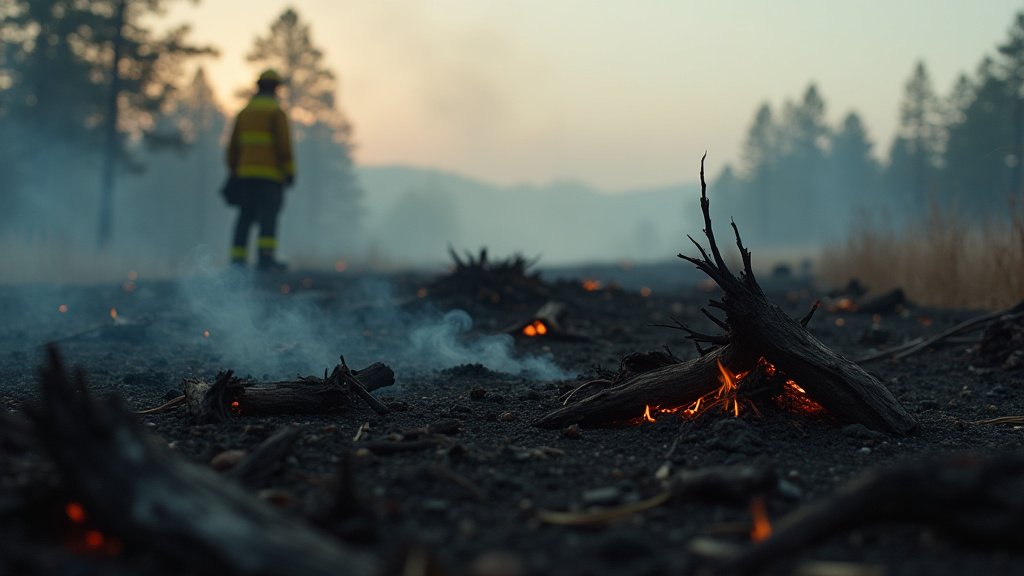
The landscape of South Georgia, typically characterized by sprawling pine forests and agricultural fields, has been transformed into a harrowing scene of smoke, ash, and emergency sirens. The current wildfire outbreak represents a convergence of environmental factors that have turned the region into a tinderbox. For residents in counties like Brantley and Clinch, the warning to evacuate often came with little more than minutes to spare. As the fires consume thousands of acres, the emotional toll on the community is becoming as significant as the physical damage to property and infrastructure.
The Perfect Storm: Drought, Wind, and Dry Timber
Meteorologists and fire management officials point to a prolonged, severe drought as the primary catalyst for the current disaster. Southeastern Georgia has received significantly less rainfall than average since September, leaving forests and underbrush perilously dry. This lack of moisture has created an environment where the smallest ignition source—or even natural causes—can lead to explosive fire behavior.
Compounding the drought are the wind patterns that have plagued the region this week. Strong, gusty winds have not only pushed the fires across major highways and firebreaks but have also lofted embers over significant distances, igniting new spot fires miles away from the main fronts. This “spotting” effect makes traditional containment strategies, such as creating controlled burn lines, extremely difficult. Firefighting crews are currently dealing with a dynamic scenario where wind shifts can change the direction of a blaze in mere seconds, endangering both the firefighters and the remaining populations in the vicinity.
Displacement and the Human Toll
For families like those of Denise Stephens, who was forced to evacuate her home near the Georgia coast, the experience is one of profound uncertainty. Residents have reported fleeing in such haste that they had to leave behind livestock, pets, and decades of personal history. The local community has responded with compassion, with churches, schools, and community centers opening their doors to house the displaced. However, the anxiety of the evacuees is compounded by the lack of clear information regarding the status of their homes. Because the fires remain active and unpredictable, re-entry into many areas is strictly prohibited, leaving residents in a state of limbo as they wait for updates from local sheriff’s departments and emergency management officials.
The Economic and Environmental Fallout
Beyond the immediate humanitarian crisis, the wildfires pose a significant threat to Georgia’s economy, particularly the timber and forestry industries. Experts at the Center for Forest Business note that the current fires are burning through vast tracts of timberland. Furthermore, the presence of downed trees from previous weather events, including Hurricane Helene, has created an abundance of highly flammable, dead woody debris that serves as fuel for these fires.
The loss of these forests will be felt for years, not just in terms of timber value, but in the ecological disruption of the region’s ecosystems. Protecting the remaining untouched forest land is a priority, but currently, resources are entirely dedicated to the preservation of life and human structures. The state’s forestry commission is working around the clock to coordinate these efforts, but the scale of the damage across multiple counties makes this an unprecedented logistical challenge.
Coordinated Response and Future Prevention
Governor Kemp’s emergency order has been a crucial step in mobilizing resources beyond local capability. The Georgia Forestry Commission is working in tandem with the Federal Emergency Management Agency (FEMA) to bring in additional heavy equipment and personnel. The implementation of a burn ban for 91 counties is a historic measure aimed at preventing any further ignitions. Officials are pleading with the public to remain vigilant, emphasizing that until the drought breaks and moisture levels return to normal, the risk of fire remains extreme. As the state moves forward, the conversation will likely shift toward better fire preparedness, landscape management, and long-term climate resilience to handle the increasing frequency of such events.
FAQ: People Also Ask
Which counties in Georgia are covered by the current state of emergency?
Governor Kemp has declared a state of emergency for 91 counties in Middle and South Georgia. Residents in these areas are subject to a strict burn ban and are urged to monitor local alerts for potential evacuation orders.
What is the current containment status of the major wildfires?
Containment figures are fluctuating daily due to high winds. As of the latest reports, the Brantley County fire and the Pineland Road fire have hovered between 10% and 15% containment. Officials warn that containment percentages change rapidly based on wind shifts and fire behavior.
How can I help those affected by the Georgia wildfires?
Authorities recommend donating to reputable organizations such as the Red Cross or local churches that are providing shelter and relief to evacuees. Avoid self-deploying to the area, as it hampers emergency operations and road access for first responders.
Why are these fires spreading so rapidly in South Georgia?
The fires are fueled by exceptional drought conditions, low humidity, and high winds. These factors, combined with an abundance of dry fuel on the forest floor, allow the fires to move and grow with intense speed, often jumping firebreaks meant to contain them.


Related Posts