Trump’s WHCD Debut: A High-Stakes Press Showdown
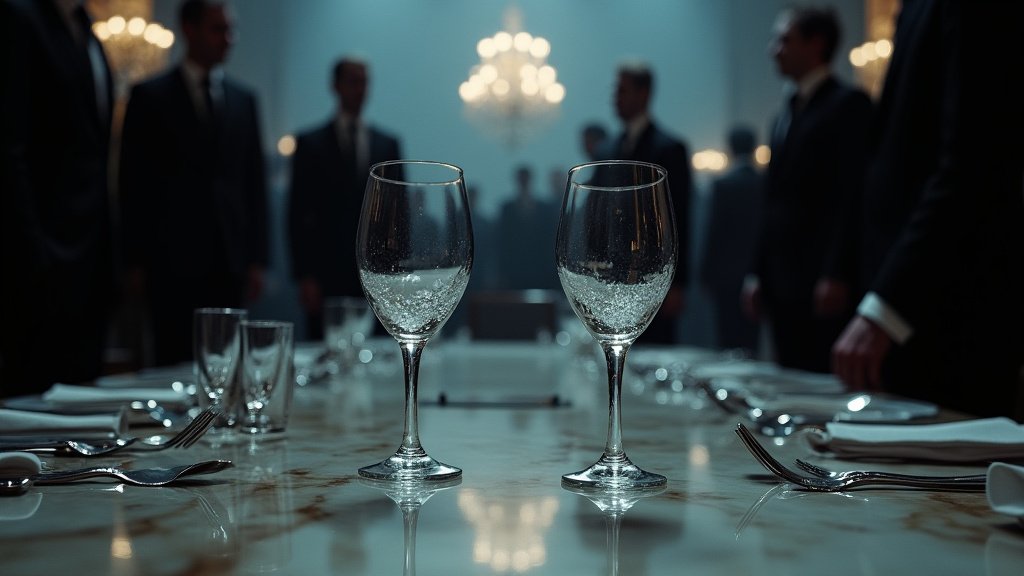
In a move that has roiled the political and media landscape, President Donald Trump is set to make his first appearance at the White House Correspondents’ Association (WHCA) dinner this evening. The event, held on the evening of April 25, 2026, marks a historic pivot for the second-term administration, as the President steps into a ballroom filled with the very institutions he has spent the last year aggressively litigating against and publicly disparaging. For an event that has traditionally been a lighthearted roasting of the leader of the free world, this year’s gathering is being framed by many as a tense collision between power and accountability.
The Precedent-Breaking Appearance
For much of his second term, the relationship between the Trump White House and the press corps has been defined by distance and hostility rather than engagement. Unlike his predecessors, who utilized the dinner to project approachability and a thick skin, Trump has historically avoided the gala. His decision to attend this year—coinciding with America’s 250th anniversary celebrations—has caught many off guard. Observers are asking whether this signals a genuine attempt at diplomatic recalibration or if it is a strategic maneuver designed to dominate the news cycle in a venue where he traditionally holds all the cards. The optics of the President in a tuxedo, surrounded by the journalists he frequently labels ‘the enemy of the people,’ are expected to create one of the most highly scrutinized images of the year.
A Climate of Litigation and Hostility
The backdrop to tonight’s dinner is heavy. Over the past 12 months, the administration has intensified its pressure on the media. From high-profile lawsuits against major outlets like The Wall Street Journal and The New York Times to the administration’s efforts to restrict access for journalists who refuse to conform to official government terminology, the atmosphere is anything but festive. The inclusion of figures like FCC Chair Brendan Carr—who has been instrumental in the administration’s strategy of scrutinizing broadcast licensing—adds a layer of professional unease to the room. Journalists and guests will be observing not just the President, but his entourage, to see if the tension of the newsroom follows them into the ballroom.
The Press Corps’ Dilemma: Participation as Normalization?
There is a deep-seated philosophical debate occurring within journalism schools and editorial boards across the country regarding this dinner. Critics, including hundreds of retired journalists, have signed petitions calling for the WHCA to adopt a more confrontational stance, arguing that attending such a gala is a form of normalization that undermines the urgency of the current threats to press freedom. On the other side, proponents of the event maintain that the WHCA exists to facilitate access and celebrate the profession, and that a boycott would only serve to further isolate the press from the highest levels of government. Weijia Jiang, the WHCA president, has emphasized the need to honor the First Amendment amidst the spectacle, aiming to preserve the integrity of the association even as it hosts a President who often challenges its foundation.
The Role of the Host and the First Amendment
Adding to the uncertainty is the choice of host: mentalist Oz Pearlman. Known for his ability to read people and perform psychological feats, Pearlman faces the professional challenge of a lifetime. Performing for a crowd of skeptical journalists while acknowledging the presence of a President who is famously non-compliant with standard political tropes requires a delicate balance. Pearlman has described the engagement as ‘career-defining,’ aiming to celebrate the First Amendment without ignoring the palpable friction in the room. His performance will be a litmus test for the mood of the evening: will it lean into the satire that the event is known for, or will the weight of the current political environment force a more somber tone?
What to Watch for in the Room
Beyond the stage and the podium, the dynamics at the tables will be telling. Who is sitting with whom? Which administration officials have chosen to engage, and which have avoided the press entirely? The dinner serves as a rare point of contact where personal relationships are often built or broken. For many reporters, the ability to secure a source or build a rapport is the primary reason to attend, despite the political fallout. As the night unfolds, the focus will be less on the ‘rubber chicken’ dinner and more on the non-verbal cues: the handshakes, the cold shoulders, and the way the President handles the inevitable jabs from the stage. In an era of fractured trust, the 2026 WHCD is not just a dinner; it is a diagnostic tool for the health of the relationship between the presidency and the fourth estate.


Related Posts