
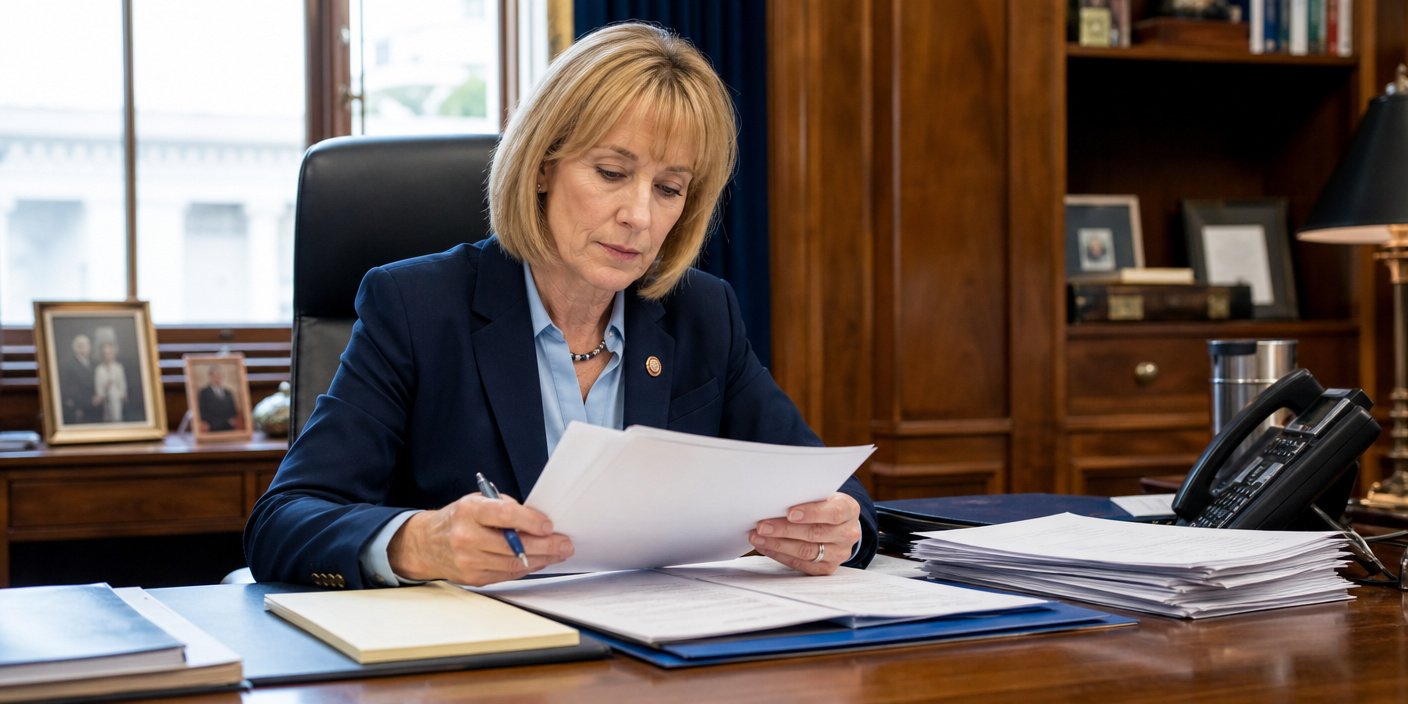
Hassan Targets Trump Mobile: Inquiry Launched Over Privacy and FCC Rules
Senator Maggie Hassan (D-NH) has officially escalated concerns regarding the operational standards of Trump Mobile, launching a formal inquiry into the telecommunications provider’s user privacy protocols and its adherence to Federal Communications Commission (FCC) guidelines. The inquiry, which stems from alarming research findings released by the Joint Economic Committee, seeks to address critical gaps in scam prevention and the handling of sensitive consumer data following reported vulnerabilities in the company’s digital infrastructure.
Key Highlights
- Formal Inquiry: Senator Hassan has formally requested documents and operational explanations from Trump Mobile leadership regarding their data protection standards.
- Data Breach Concerns: The investigation is spurred by research highlighting potential security failures and reported breaches that may have exposed user information.
- FCC Compliance Focus: The inquiry emphasizes the necessity for telecommunications entities—specifically Mobile Virtual Network Operators (MVNOs)—to rigorously follow FCC mandates designed to block spam, scams, and mitigate risks from foreign adversaries.
Scrutinizing Telecommunications Governance and Consumer Safety
The move by Senator Hassan represents a significant push for transparency within the burgeoning market of politically branded telecommunications. At the heart of the inquiry is the reliance of Trump Mobile on third-party carrier infrastructure—a model known as an MVNO—and whether this structure introduces unique security liabilities. The Joint Economic Committee’s recent research has reportedly identified patterns of lax data security that could potentially leave subscribers vulnerable to identity theft and sophisticated telecommunications fraud.
Senator Hassan’s office is seeking detailed responses concerning how Trump Mobile manages customer data, the frequency of security audits, and the protocols currently in place to ensure compliance with federal standards aimed at protecting American consumers. The letter of inquiry explicitly asks the company to clarify its stance on preventing fraudulent calls and whether its network architecture meets the stringent “robocall mitigation” requirements enforced by the FCC.
The Intersection of Data Privacy and Political Brand
One of the most complex facets of this inquiry is the intersection of political branding and essential infrastructure. Unlike traditional telecoms, ventures like Trump Mobile occupy a specific niche, often marketing directly to a specific political demographic. This creates a unique dynamic where consumer trust is intrinsically linked to political allegiance, potentially complicating the usual consumer due diligence process. Senator Hassan’s inquiry raises the question: Are these specialized mobile providers held to the same standard of technical rigor as major legacy carriers? The Joint Economic Committee seems to believe there is a divergence, suggesting that these services may be cutting corners on the technical “back-end” features that prevent data leakage and spam infiltration.
Analyzing the Security Allegations
The reports cited by the committee point toward specific instances of data vulnerability. These concerns range from unencrypted user data transmission to the potential for unauthorized access to customer billing information. If substantiated, these breaches would not only violate internal company policy but could constitute a direct violation of the FCC’s consumer protection statutes. Security experts note that MVNOs often have less direct control over the underlying network layer, meaning that if the service provider’s own platform lacks robust encryption or firewall protection, sensitive data remains exposed at the application level.
Regulatory Pathways and Future Implications
What happens next depends on the comprehensiveness of Trump Mobile’s response. If the company fails to provide sufficient evidence of compliance, the inquiry could pivot toward a broader legislative push. We could see the introduction of new bills aimed at enforcing stricter “security-by-design” requirements for all telecommunications resellers, regardless of their political branding. Furthermore, this situation sets a precedent for how Congress investigates the telecommunications industry; it is a clear signal that regardless of the company’s size or business model, the protection of U.S. consumer data remains a top-tier priority for the legislative branch.
FAQ: People Also Ask
1. What specific FCC compliance rules is Trump Mobile accused of violating?
While the inquiry is ongoing, the primary focus is on robocall mitigation mandates and the protection of Consumer Proprietary Network Information (CPNI), which requires companies to take rigorous steps to prevent unauthorized access to customer records.
2. How does the Joint Economic Committee’s involvement change the stakes?
By involving the Joint Economic Committee, Senator Hassan signals that this is not merely a political grievance but an economic and national security issue, focusing on the potential for foreign adversaries to exploit vulnerabilities in smaller, less-regulated telecommunications networks.
3. What happens if Trump Mobile is found non-compliant?
If the investigation confirms negligence, the company could face severe fines, mandatory oversight by the FCC, and potential legal action to force the adoption of industry-standard security protocols to protect consumer data.
4. Is this investigation typical for mobile virtual network operators (MVNOs)?
Inquiries into MVNOs are rare but increasing as these providers become more popular. As these companies handle more sensitive data, lawmakers are increasingly looking at them to ensure they provide the same level of security as the primary carrier networks they lease capacity from.


Related Posts


