Heatwave Hazard: Officials Issue Urgent Drowning Warning
As blistering heatwaves continue to grip the western and central United States, federal officials—led by the National Park Service (NPS) and supported by data from the Centers for Disease Control and Prevention (CDC)—have issued a stark warning to the public: the urge to find relief in natural bodies of water is resulting in a significant, preventable surge in drowning deaths. While the extreme temperatures drive millions toward rivers, lakes, and oceans, the physiological and environmental dangers of these water sources are frequently underestimated, leading to tragic outcomes for swimmers of all skill levels.
Key Highlights
- The Heatwave Trap: Extreme air temperatures are creating a false sense of security, encouraging individuals to enter water bodies that remain dangerously cold, triggering involuntary physiological responses.
- NPS Statistical Warning: The National Park Service has identified drowning as one of the leading causes of death in recreational areas, with current trends showing a marked increase compared to previous summer baselines.
- Cold Water Shock: Medical experts emphasize that entering water below 70°F (21°C)—common in many mountain-fed rivers and lakes—can cause immediate loss of muscle control and hyperventilation, regardless of the swimmer’s skill level.
- Targeted Vulnerability: CDC data underscores that drowning remains the leading cause of death for children aged 1–4, while men are significantly more likely than women to perish in drowning incidents due to higher-risk behaviors, including alcohol consumption.
The Anatomy of the Current Crisis: Why Natural Water is Not a Pool
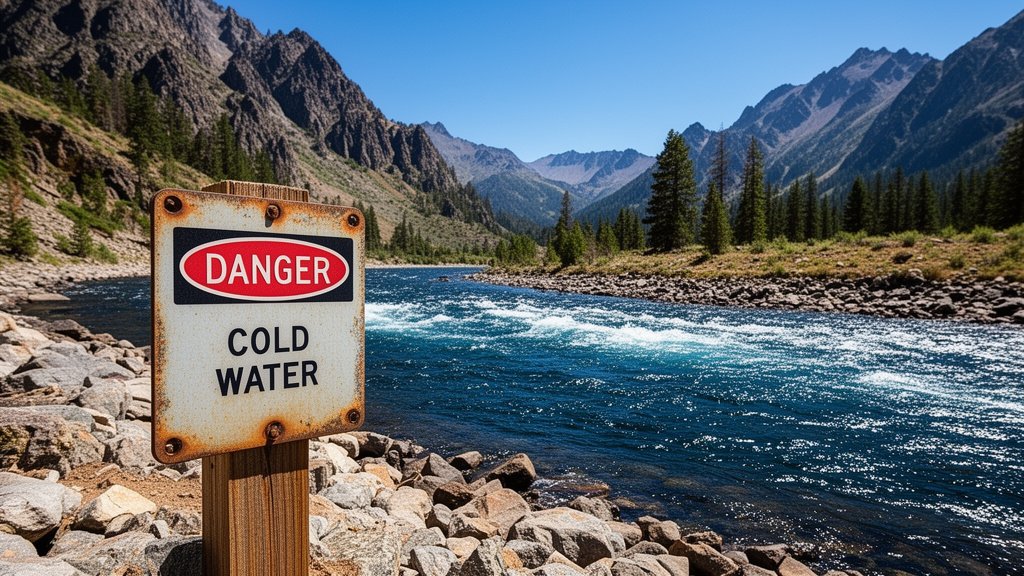
To understand the current surge in fatalities, one must first dismantle the misconception that swimming in a natural environment is akin to the controlled setting of a community or backyard pool. The current crisis is being driven by a perfect storm of environmental conditions and human behavior. When air temperatures soar into the triple digits, the human body seeks immediate thermal regulation. However, in the mountainous regions of the Western United States, the water bodies providing this relief are often fed by snowmelt, resulting in water temperatures that remain frigid even in mid-summer.
The Physiological Shock Factor
When a person jumps into cold water on a hot day, they trigger what medical professionals call the ‘Cold Shock Response.’ This is an involuntary gasping reflex that occurs the moment the skin is submerged. If the head is underwater during this reflex, a person may inhale water into the lungs within seconds. Furthermore, cold water drains body heat up to four times faster than cold air. This rapid heat loss causes ‘Cold Incapacitation,’ where the body restricts blood flow to the limbs to protect the vital organs. The result is a total loss of motor function in the arms and legs—often within minutes—rendering even strong swimmers unable to stay afloat or reach the shore.
The Deceptive Current and Under-Tows
Beyond temperature, the current hydrological conditions in many U.S. river systems have been altered by recent weather patterns. High spring runoff has shifted riverbeds, created new ‘strainers’ (submerged trees or debris that trap swimmers), and intensified currents in areas previously considered safe. Officials are stressing that these rivers are dynamic environments; what was a calm wading area in June may have become a high-velocity hazard by July. The National Park Service advises that visitors must treat every natural water entry point with the skepticism one would afford a high-traffic highway.
Analyzing the Risks: Secondary Factors and Behavioral Trends
While environmental factors are the primary cause of the surge, behavioral psychology plays a critical role in these statistics. Public land managers have noted that during heatwaves, recreational safety protocols are often the first thing abandoned. The rush to escape the heat leads to compromised decision-making.
The Impact of Alcohol and Overconfidence
According to United States Coast Guard (USCG) statistics, alcohol is a contributing factor in a significant percentage of recreational boating and swimming accidents. Alcohol impairs judgment, balance, and coordination—all essential for surviving in an aquatic environment. Furthermore, it accelerates the effects of hypothermia by diluting the blood and impairing the body’s ability to regulate its own temperature. When paired with the false security of a ‘hot day,’ swimmers often overestimate their stamina and underestimate the distance they can traverse.
The Economic and Societal Strain
This spike in drowning deaths is also placing an unprecedented strain on Search and Rescue (SAR) teams. Local municipalities and the NPS are facing rising costs and personnel fatigue as they manage an increased volume of distress calls. Beyond the immediate loss of life, these incidents frequently require high-risk rescue operations that jeopardize the safety of the responders themselves. There is a growing movement among public health officials to shift from reactive rescue operations to proactive, ‘pre-entry’ education strategies at trailheads and boat ramps.
Climate Adaptation and Future Predictions
Looking toward the future, public health experts argue that drowning prevention must be integrated into broader climate adaptation strategies. As heatwaves become more frequent and more intense due to changing climatic patterns, the public’s reliance on ‘natural cooling’—i.e., swimming in unregulated lakes and rivers—will only increase. This necessitates a more robust infrastructure for water safety, including better signage, more life-jacket loaner stations, and increased lifeguard presence in areas that have historically been left unsupervised.
FAQ: People Also Ask
Q: What is the most important piece of safety gear for river swimming?
A: Always wear a USCG-approved life jacket. Even strong swimmers can be overcome by cold shock or hidden currents; a life jacket provides essential buoyancy if you lose the ability to swim.
Q: How do I know if the water is ‘too cold’ to swim in?
A: If the water is below 70°F (21°C), you are at risk of cold water shock. Many snowmelt-fed rivers in the U.S. are well below this temperature, even during 100-degree days.
Q: Why does the National Park Service warn against swimming in certain areas?
A: NPS warnings are based on hydrological surveys, historical accident data, and current current speeds. Ignoring these warnings is a primary factor in the current surge of fatalities.
Q: What should I do if I see someone drowning?
A: Do not jump in to save them unless you are a trained professional; this often leads to a ‘double drowning.’ Instead, follow the ‘Reach or Throw, Don’t Go’ rule: extend an object like a pole or branch, or throw a flotation device, then immediately alert emergency services.


Related Posts