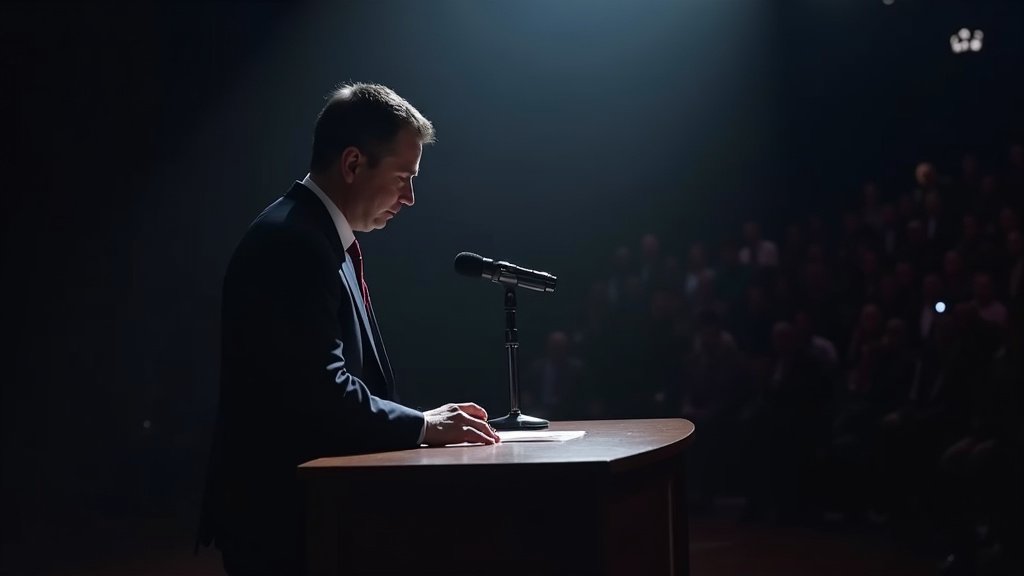
Late-Night Host Jimmy Kimmel’s Suspension Fuels National Fears Over Censorship and Political Pressure
Washington D.C. – A recent decision by ABC to indefinitely suspend “Jimmy Kimmel Live!” has ignited a national debate over freedom of speech and the extent of government influence over broadcast media. The move, which followed controversial remarks made by host Jimmy Kimmel regarding the assassination of conservative activist Charlie Kirk, has drawn widespread condemnation from civil liberties advocates, entertainment unions, and political commentators who fear it sets a dangerous precedent for censorship.
The Controversy Surrounding Kimmel’s Remarks
The incident began on September 15, 2025, when Jimmy Kimmel, during his show’s monologue, commented on the “MAGA gang” attempting to distance the suspect arrested for the murder of Charlie Kirk from their political movement. Kimmel suggested that these efforts were aimed at scoring political points amidst the tragedy. Kirk, the founder of Turning Point USA, was fatally shot on September 10, 2025, in Utah by 22-year-old Tyler Robinson. While law enforcement and prosecutors have indicated Robinson’s political leanings may have been left-leaning and radicalized, some conservative circles sought to frame the assassination as politically motivated by the left against Kirk.
Kimmel’s remarks, which aired before all details of the suspect’s motives were public, were met with immediate backlash from conservative media figures and politicians. Among the most prominent critics was FCC Chairman Brendan Carr, who voiced strong disapproval of Kimmel’s comments, describing them as “sick conduct” and part of a “concerted effort to try to lie to the American people”.
FCC Pressure and Network Capitulation
Following the criticism, FCC Chairman Brendan Carr took an unprecedented step by publicly threatening punitive regulatory action against ABC and its corporate parent, The Walt Disney Company, as well as affiliate station owners. In an interview on “The Benny Show,” Carr stated that networks could “find ways to change conduct and take action, frankly, on Kimmel, or there’s going to be additional work for the FCC ahead,” even hinting at potential license revocations for broadcast affiliates.
This pressure had a swift impact on broadcast networks. Nexstar Media Group and Sinclair Broadcast Group, major operators of ABC-affiliated stations whose business operations, including pending mergers, require FCC approval, announced they would preempt “Jimmy Kimmel Live!” from their airwaves. Facing pressure from these key affiliates and direct threats from the FCC, ABC, and Disney, including CEO Bob Iger and co-chair Dana Walden, opted to suspend production of the show indefinitely starting September 17, 2025.
Fears of Censorship and a Chilling Effect
The suspension immediately triggered alarm bells among free speech advocates and media organizations. The American Civil Liberties Union (ACLU) condemned the FCC’s actions as “beyond McCarthyism” and a “grave threat to our First Amendment freedoms,” arguing that government pressure to silence critics is anti-American. Critics pointed to the incident as an example of “indirect censorship,” where the government intimidates networks through threats of regulatory action, leading to self-censorship and a broader chilling effect on public discourse.
This event was viewed by many as part of a larger pattern of behavior by the Trump administration, which has frequently attacked critical media outlets, threatened broadcast licenses, and used government power to pressure companies. President Donald Trump himself had previously suggested that late-night hosts critical of him would face consequences, and he celebrated ABC’s decision, calling it “Great News for America” and stating Kimmel was “fired for lack of talent”.
Broad Support for Kimmel and the Fight for Free Speech
In response to the suspension, a wave of support for Kimmel emerged from various sectors. Entertainment industry unions, including the Writers Guild of America, decried the move as an “attack on free speech and artistic expression”. A letter signed by over 400 artists, including prominent actors like Tom Hanks, Meryl Streep, and Jennifer Aniston, was sent to ABC protesting the suspension and warning of the dangers to free speech.
Kimmel himself, while reportedly refusing to apologize, planned to clarify his remarks. Upon his return to the air six days later on September 23, 2025, Kimmel called FCC Chairman Carr’s remarks “un-American” and “dangerous”. The episode marking his return garnered record viewership, indicating strong public interest in the host and the ongoing debate.
The suspension of “Jimmy Kimmel Live!” has become a significant recent news story, underscoring the persistent tensions between political power, media criticism, and the constitutional guarantees of free speech in the United States. The incident has amplified concerns about government overreach and its potential to stifle dissenting voices within the national media landscape.


Related Posts