Nepal PM Resigns Amid Deadly Protests Over Corruption and Social Media Ban
KATHMANDU, Nepal – Nepal plunged into a period of political uncertainty and transition on September 9, 2025, as Prime Minister K.P. Sharma Oli resigned following days of intense, often violent, anti-corruption protests that gripped the nation. The demonstrations, primarily led by the country’s youth and dubbed the “Gen Z protests,” were initially sparked by a government-imposed ban on numerous social media platforms but rapidly evolved into a broader outcry against systemic corruption, nepotism, and the perceived extravagant lifestyles of political elites’ children.
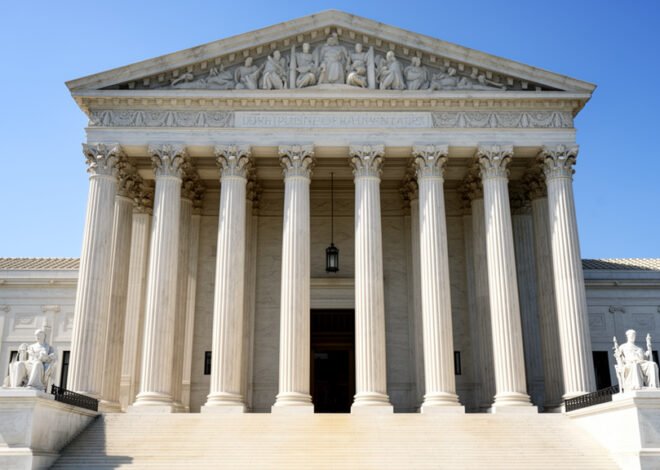
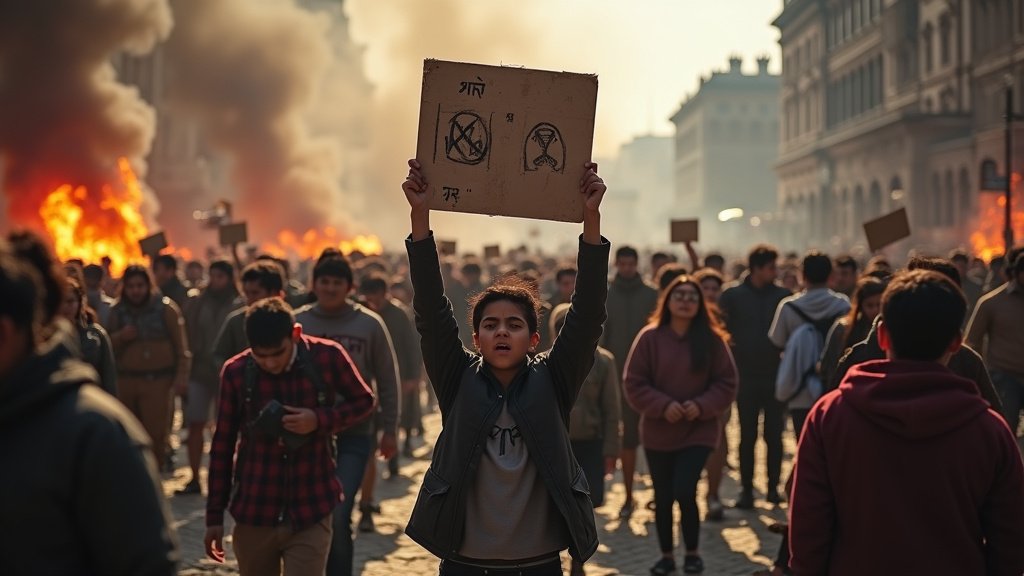
The nationwide unrest resulted in significant casualties, with reports indicating that at least 19 people were killed and over 500 injured during clashes between protesters and security forces on September 8, 2025. As the protests escalated, the death toll continued to rise, with later reports indicating as many as 72 fatalities and over 2,000 injuries by September 14, 2025. The demonstrations saw protesters storming government buildings, including the Parliament and the Supreme Court, setting them ablaze, and attacking the properties of political leaders. The scale of the violence led to the deployment of the Nepali Army to restore order.
The Spark and Escalation of Protests
The immediate catalyst for the widespread demonstrations was the government’s decision on September 4, 2025, to suspend 26 social media platforms, citing noncompliance with new registration rules. This move was widely interpreted as an attempt to stifle dissent and control information, drawing comparisons to censorship tactics employed elsewhere. Within hours, thousands of young people, students, and citizens took to the streets, initially protesting the ban. However, the demonstrations quickly broadened, fueled by years of public frustration with corruption, economic mismanagement, and a lack of accountability within the political class.
The “Gen Z protests” highlighted a generation disillusioned with a political system plagued by instability, with no government having completed a full five-year term since the establishment of multi-party democracy in 1990. The perceived privileges of the children of politicians, often highlighted through social media campaigns like the “nepo kid” phenomenon, further ignited public anger. The protests escalated dramatically on September 8, leading to violent clashes, property destruction, and a significant loss of life.
Political Fallout and Transition
In response to the intensifying crisis, Prime Minister K.P. Sharma Oli resigned on September 9, 2025. His resignation came despite attempts to de-escalate the situation, including the lifting of the social media ban on the night of September 8 and calls for dialogue. In his resignation letter, Oli cited the “extraordinary situation prevailing in the country” and the need for a “constitutional political solution”.
Following Oli’s resignation, former Chief Justice Sushila Karki was appointed as Nepal’s interim Prime Minister on September 12, 2025. Karki, known for her strong anti-corruption stance and integrity, became the first woman to hold the position of Prime Minister in Nepal. Her interim government has been tasked with stabilizing the nation and preparing for fresh general elections.
Road to General Elections
As part of the political transition, Nepal’s Parliament was formally dissolved, and general elections were scheduled for March 5, 2026. The Election Commission has begun finalizing schedules for party registration and campaign periods. The interim government, led by Sushila Karki, is expected to oversee the electoral process and address immediate post-protest priorities, including providing compensation to the families of victims and initiating reconstruction efforts. This recent development marks a critical juncture for Nepal, as it navigates the aftermath of a crisis that exposed deep-seated discontent and the demand for greater governance reform.


Related Posts