
U.S. Imposes 50% Tariffs on Canadian Exports as Talks Fail
The United States formally began imposing a sweeping 50% tariff on a broad range of Canadian exports today, August 22, 2026. This aggressive fiscal measure follows a complete breakdown in high-level trade negotiations between the Trump administration and Canadian counterparts, which failed to meet critical, non-negotiable deadlines set by Washington. The administration signaled that these tariffs represent a strategic shift in North American trade policy, specifically targeting sectors that have been long-standing points of contention. As markets brace for the fallout, the immediate impact is being felt across the automotive supply chain, the dairy industry, and the cross-border alcohol trade, marking a significant escalation in North American trade tensions.
Key Highlights
- Tariff Implementation: A 50% tariff rate is now officially active for a wide array of Canadian goods effective August 22, 2026.
- Primary Sectors Targeted: The levies specifically impact auto exports, dairy quotas, and alcohol import bans, which were central to the failed negotiations.
- Negotiation Breakdown: The administration cited a missed deadline to resolve long-standing trade grievances as the catalyst for this immediate, unilateral economic action.
- Supply Chain Impact: Analysts warn that the integration of the U.S. and Canadian automotive industries could face massive, immediate cost spikes for manufacturers and consumers alike.
The Breakdown of North American Trade Harmony
The implementation of these tariffs marks the most significant disruption to the U.S.-Canada trade relationship in decades. For months, the Trump administration had insisted that a revised trade framework was necessary to correct what it termed as ‘persistent inequities’ in the cross-border flow of goods. When the August 22 deadline passed without a consensus—the final pivot point offered to Canadian negotiators—the White House moved to execute its pre-announced fiscal response. This development effectively freezes the momentum that had characterized the post-USMCA (United States-Mexico-Canada Agreement) era, replacing cooperation with economic friction.
Automotive Industry Vulnerability
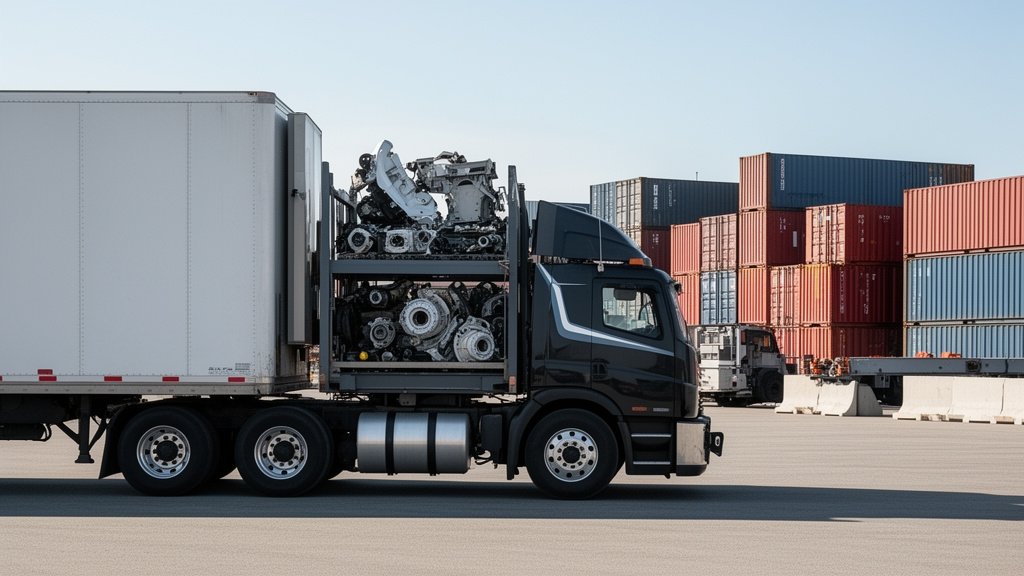
The most critical sector affected by the 50% tariff is the automotive industry. Unlike other commodities, the North American auto supply chain is highly integrated, with parts crossing the border multiple times before a vehicle is finalized. By placing a 50% tariff on these inputs, the administration has introduced a massive price distortion. Manufacturers on both sides of the border are now scrambling to reassess production costs. Industry experts predict that the sudden imposition of these duties will inevitably be passed down to the consumer, leading to sharp increases in the MSRP for both domestic and imported vehicles. The complexity of the integrated supply chain means that simple ‘re-shoring’ of parts production is not a short-term feasibility, leaving automakers in a state of high-alert crisis management.
Dairy Protectionism and Alcohol Duties
Beyond automotive components, the administration has targeted two sectors that have been traditional ‘pain points’: dairy and alcohol. Canada’s supply management system for dairy has long been a frustration for U.S. producers, who have consistently lobbied for greater access to the Canadian market. By applying the 50% tariff, the administration is effectively using leverage to force a restructuring of Canadian dairy quotas. Similarly, the alcohol industry faces immediate pressure. Import bans and higher tariffs are designed to incentivize local American beverage manufacturing and protect the domestic market from foreign, lower-cost competition. For importers of Canadian craft beers and spirits, the new tariff reality requires immediate inventory adjustments and price hedging to survive the next fiscal quarter.
Economic Implications and Inflationary Risks
The economic ripple effects of these tariffs are expected to be substantial. In a macroeconomic environment already sensitive to inflationary pressures, the sudden increase in the cost of raw materials and finished goods will likely weigh heavily on the Consumer Price Index (CPI). Economists are closely watching for ‘second-round effects,’ where the cost of imported Canadian inputs forces American businesses to raise prices across the board to maintain margins. Furthermore, there is the looming question of Canadian retaliation. Historically, trade disputes between the two nations have led to reciprocal measures, potentially creating a feedback loop of tariffs that could dampen consumer spending and slow down regional manufacturing growth.
Geopolitical and Diplomatic Outlook
The political fallout from this decision is expected to be swift and complex. Diplomatic channels between Washington and Ottawa are reportedly stretched thin, as Canadian officials characterize the tariffs as ‘punitive and counterproductive’ to the spirit of the USMCA. The Trump administration, however, maintains that the action is a necessary enforcement of trade mandates. As we look toward the remainder of 2026, the critical question remains whether this 50% tariff is a permanent fixture of the new trade landscape or a tactical ‘shock and awe’ strategy intended to bring Canada back to the negotiating table with a more amenable stance. Regardless of the intent, businesses operating within the U.S.-Canada corridor must prepare for a prolonged period of uncertainty and financial volatility.
FAQ: People Also Ask
Q: How long are the 50% tariffs expected to last?
A: The administration has not provided a sunset clause, suggesting that the tariffs will remain in effect until the U.S. government is satisfied that the trade negotiation objectives—specifically regarding dairy quotas and auto parity—have been met.
Q: Will this affect the price of vehicles in the U.S. immediately?
A: Yes. Because the automotive supply chain is highly integrated, the increased cost of imported parts and finished vehicles from Canada is expected to filter into the consumer market almost immediately, likely leading to price adjustments by major automakers.
Q: Is there any legal path to challenge these tariffs?
A: While there are mechanisms within the USMCA framework for dispute resolution, the current administration’s interpretation of its trade powers may limit the immediate efficacy of these legal challenges, potentially leading to a prolonged period of litigation.
Q: How does this impact the USMCA agreement?
A: This action represents a significant fracture in the USMCA, as it effectively bypasses the dispute resolution protocols that the agreement was designed to uphold. Analysts suggest this could be the most significant test of the agreement’s viability since its inception.


Related Posts


