US-Iran Tensions Spike, Smoke Chokes US, Trump Eyes Election
Tensions Flare in Strait of Hormuz Amid Renewed US-Iran Hostilities
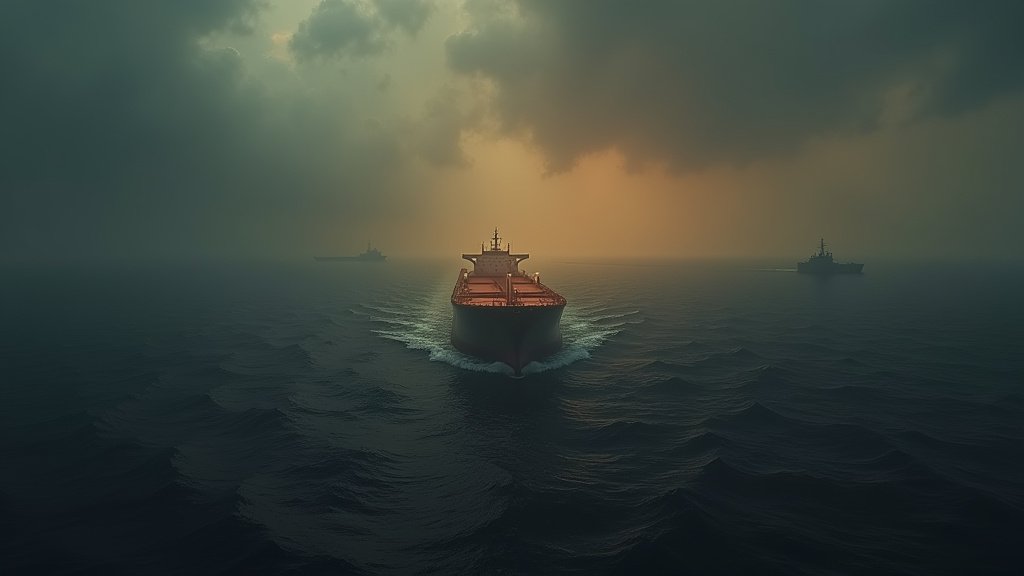
The strategic Strait of Hormuz has become the focal point of escalating tensions between the United States and Iran, leading to a severe reduction in maritime traffic. On Wednesday, July 16, 2026, only seven vessels were recorded traversing the vital waterway, a stark decline attributed to Iran’s declaration of the strait’s closure and a renewed U.S. naval blockade on Iranian ports. This dramatic decrease in shipping activity significantly impacts global oil and gas supplies, raising concerns about energy market stability and geopolitical ramifications. The ongoing conflict, which began with a U.S.-Israeli strike on Iran on February 28, 2026, has seen cycles of attacks and retaliatory strikes, undermining fragile ceasefires and diplomatic efforts. Mediators, including Qatari officials, are working to de-escalate the situation and ensure safe passage, but demands from both sides—the U.S. for an open strait and Iran for recognition of its control and potential “service fees”—remain a significant hurdle. The United States has previously revoked waivers on Iran’s oil sales, further complicating the economic landscape. Both nations have repeatedly accused each other of violating ceasefire terms since April 8, 2026, creating a volatile environment for international shipping and energy markets. The International Maritime Organization has urged caution, advising against transiting the strait due to safety concerns for seafarers. Despite assurances from President Trump that the conflict does not signal a long-term military operation, market analysts note that crude tanker traffic has “essentially stopped,” with oil prices reacting sharply to the renewed geopolitical risk. Some vessels are reportedly navigating in “dark” mode, switching off transponders to avoid detection, further obscuring the true volume of traffic. The Strait of Hormuz, which handled approximately one-fifth of global oil and liquefied natural gas shipments before the war, remains a critical choke point in international trade.


Related Posts