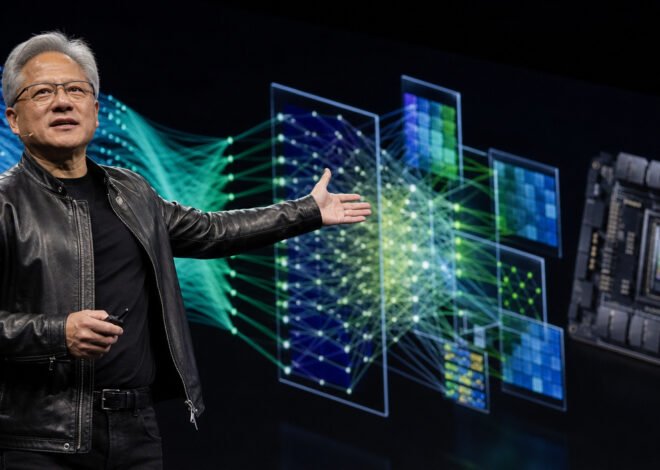
AI’s Monumental Leap: Nvidia Bets $100B on OpenAI, Google Gemini Warms Up Living Rooms, and Meta’s Llama Earns Government Trust
In a series of high-impact developments reshaping the global artificial intelligence landscape, the past several weeks have seen unprecedented investments, expansive integrations, and significant governmental endorsements of AI technologies. The recent news cycle features major strategic alliances, including a monumental $100 billion investment by Nvidia into OpenAI, Google’s ambitious expansion of its Gemini AI into millions of living rooms via smart TVs, and the U.S. government’s approval of Meta’s Llama AI models for federal agency use. These announcements underscore the accelerating pace of AI’s integration into critical infrastructure, consumer devices, and government operations.
Nvidia and OpenAI Forge $100 Billion AI Infrastructure Alliance
Nvidia, the preeminent chipmaker powering much of the AI revolution, has revealed plans to invest up to $100 billion in OpenAI, the creator of ChatGPT. This landmark partnership is set to fuel the construction of massive AI data centers, significantly bolstering OpenAI’s computing power for training its next-generation AI models. The agreement, described as a letter of intent, will see OpenAI deploy at least 10 gigawatts (GW) of Nvidia systems, with Nvidia expected to invest the $100 billion in stages as these systems are deployed. The initial phase of this colossal infrastructure project is slated to come online in the second half of 2026, leveraging Nvidia’s Vera Rubin platform. OpenAI CEO Sam Altman emphasized that compute infrastructure is the foundational element for the future economy, highlighting the strategic importance of this collaboration. This deal solidifies Nvidia’s position as the essential hardware provider for advanced AI development and deepens a decade-long relationship between the two AI powerhouses.
Google Gemini Enters the Living Room, Transforming TV Experiences
Google is bringing its powerful Gemini AI assistant directly into homes worldwide through an expansive rollout on Google TV and Android TV OS devices. This integration will reach over 300 million active devices, transforming the television into a more interactive and intelligent hub. Unlike traditional voice commands, Gemini enables natural, free-flowing conversations, allowing users to ask for tailored program recommendations, receive summaries of past seasons without spoilers, or even identify movies from partial descriptions. Beyond entertainment, Gemini can assist with homework, plan vacations, and facilitate learning through integrated YouTube videos. While existing Google Assistant functions for controlling smart home devices and basic commands will remain, Gemini’s presence signifies Google’s strategy to embed its AI capabilities across its consumer ecosystem. The rollout has begun on select TCL models and is set to expand to numerous other devices throughout 2025.
Meta’s Llama Gains Trust: Approved for U.S. Government Use
In a significant endorsement for open-source AI, Meta’s Llama large language models have received approval for use by U.S. government agencies. The General Services Administration (GSA) has added Llama to its list of approved AI tools, providing federal agencies with a compliant pathway to test and adopt the technology under stringent security and legal benchmarks. This decision allows government offices to leverage Llama for tasks such as contract reviews, summarizing extensive documents, managing IT tickets, and enhancing knowledge retrieval across policy documents. The GSA has previously approved AI tools from other major tech companies, including Amazon, Microsoft, Google, and OpenAI, indicating a broader governmental push to integrate advanced AI solutions into public sector operations. Meta’s prior announcements confirmed the availability of Llama for national security contractors, with companies like Lockheed Martin already integrating the models.
AI Ecosystem Expands: Collaboration and New Tools Emerge
Beyond these major announcements, the broader technology ecosystem continues to evolve rapidly. GitHub has launched a public preview of its Copilot app for Microsoft Teams, allowing developers to interact with the AI coding assistant directly within chat conversations. This feature aims to reduce context switching and streamline collaboration by enabling users to request bug fixes, scaffold new features, or generate pull requests without leaving their messaging platform. Furthermore, Stability AI has expanded its collaboration with Amazon Web Services (AWS), making its advanced image generation and editing services available on Amazon Bedrock. This move provides businesses and developers with enhanced creative control and enterprise-grade infrastructure for generating visual content, further demonstrating the pervasive integration of AI tools across various platforms and industries.


Related Posts