Josh Widdicombe’s ‘Virtuous Circle’: The 3 Daily Habits Behind His Wellness Routine
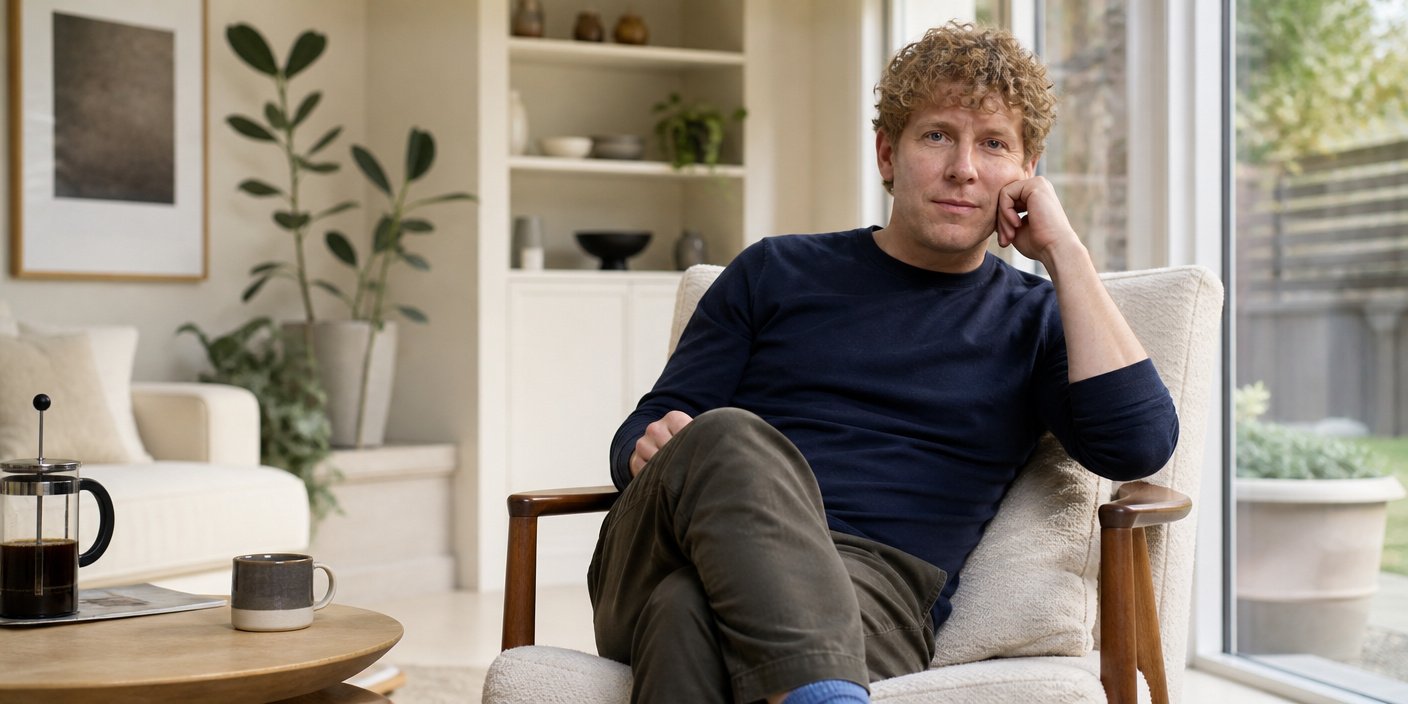
For television presenter and comedian Josh Widdicombe, the path to sustained wellness is not found in radical overhauls or expensive bio-hacking trends, but rather in the quiet power of a ‘virtuous circle.’ In recent insights shared by the star, Widdicombe identifies three specific, sustainable daily habits that have become the bedrock of his mental and physical health. By prioritizing consistency over intensity, Widdicombe illustrates a pragmatic approach to longevity that resonates with high-pressure, schedule-heavy lifestyles.
Key Highlights
- The Power of the Routine: Widdicombe emphasizes that the ‘virtuous circle’ is built on repeating small, manageable actions that compound over time.
- Physical Foundation: Regular physical activity serves as a primary mood regulator, anchoring his days.
- Mental Decompression: The integration of intentional downtime is vital for maintaining creative and emotional equilibrium.
- Consistency Over Perfection: The mindset that showing up is more important than achieving peak athletic performance daily.
The Architecture of a Virtuous Circle
The concept of a ‘virtuous circle’—a feedback loop where favorable results lead to further favorable outcomes—is not a new psychological theory, but Widdicombe’s application of it to daily life is striking in its simplicity. When the demands of professional broadcasting and comedic performance collide, the brain often defaults to a ‘fight or flight’ stress response. Widdicombe’s approach aims to bypass this by creating a reliable, predictable structure that signals safety to the nervous system.
1. The Kinetic Reset (Physical Movement)
The first pillar of Widdicombe’s routine is consistent physical movement. Unlike those who feel the need to crush a gym session every morning, Widdicombe focuses on ‘movement as medicine.’ This is less about aesthetics and more about the physiological benefits of exercise on cortisol management. When the body moves, it flushes out the stressors accumulated from the previous day’s filming or writing commitments. This physical activation serves as the trigger for the rest of his daily routine, effectively telling his brain that the workday has begun, while simultaneously clearing the fog of sleep or anxiety.
2. The Cognitive Pause (Mindfulness & Decompression)
In an industry that demands constant verbal output and rapid-fire social interaction, Widdicombe’s second habit is the creation of a ‘cognitive pause.’ This isn’t necessarily meditation in the traditional, seated sense, but rather a dedicated period of low-stimulus input. This often involves engaging with low-intensity media or simply sitting with thoughts, allowing the brain to process the deluge of information it receives throughout a shooting schedule. By carving out this time, he prevents the ‘burnout spiral’ that many entertainers face, ensuring that he remains mentally agile rather than perpetually drained.
3. The Anchor of Regularity (Sleep & Wake Cycles)
The third, and perhaps most critical, habit is the maintenance of a rigorous sleep-wake architecture. Widdicombe treats his sleep like a professional appointment. This is the ‘circle’ completion; a good night’s rest fuels the next day’s physical movement, and the physical movement ensures the next night’s sleep. It is a self-sustaining ecosystem of health that protects him against the erratic nature of the entertainment industry’s hours.
Secondary Angles: Why This Matters
The Comedy-Wellness Paradox
There is a historical assumption that creative professionals, particularly comedians, require high-stress environments or sleep deprivation to foster genius. Widdicombe’s shift toward a highly structured, healthy routine challenges the ‘tortured artist’ archetype. It highlights a growing trend among modern entertainers: the realization that long-term creative output requires a physiological foundation that prioritizes recovery. By managing his health, Widdicombe is effectively ‘future-proofing’ his career.
The Economic Impact of Micro-Habits
From an economic perspective, the ‘virtuous circle’ model is highly efficient. Large-scale wellness interventions (like gym memberships, personal trainers, and complex diet plans) often suffer from low long-term retention. In contrast, Widdicombe’s habits require almost zero capital investment. This democratization of wellness—focusing on free, time-based habits—offers a scalable solution for the general public, proving that mental health improvements do not require significant financial backing, but rather an investment of discipline.
Future Predictions for Celebrity Mental Health
We are witnessing a shift in how celebrities platform their health habits. Moving away from ‘glamorous’ transformations, the trend is trending toward ‘relatable maintenance.’ As audiences become more savvy about health marketing, figures like Widdicombe who share realistic, sustainable, and humble routines are likely to build higher levels of trust and engagement. This shift encourages the public to adopt habits that are actually achievable, rather than aspiring to impossible Hollywood standards.
FAQ: People Also Ask
Q: Does Josh Widdicombe’s routine require a lot of time?
A: No, that is the core strength of his ‘virtuous circle.’ The habits are designed to be integrated into a busy schedule, emphasizing consistency over long sessions, making them accessible even to those with demanding careers.
Q: What is a ‘virtuous circle’ in the context of wellness?
A: It is a positive feedback loop where one healthy habit (such as a morning walk) facilitates another (like better sleep), which in turn provides the energy for the next day’s healthy choices.
Q: Are these habits scientifically backed?
A: Yes. Movement, rest, and routine are established clinical markers for managing stress, regulating cortisol, and improving cognitive function. By focusing on these, Widdicombe aligns with modern evidence-based practices for mental hygiene.
Q: Can I replicate this ‘virtuous circle’ without being a celebrity?
A: Absolutely. The beauty of these specific habits is that they are independent of career status. They rely on biological constants—sleep, movement, and mental rest—that apply to everyone.


Related Posts