Trump Blames Walz Amid Minnesota Water Cyberattack Probe
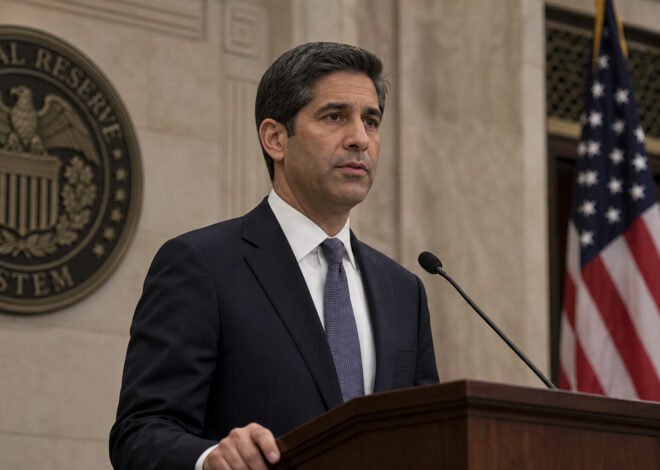
In a pointed critique of state leadership, former President Donald Trump has publicly blamed Minnesota Governor Tim Walz for a recent wave of cyberattacks targeting over 30 water systems across the state. The former president alleged that the security failure falls squarely on the governor’s administration, challenging official narratives that point toward international state-sponsored actors. As state officials and federal cybersecurity agencies continue to grapple with the implications of this breach, the incident has highlighted the escalating intersection of domestic political rhetoric and critical infrastructure protection.
Key Highlights
- Targeted Systems: Over 30 municipal water systems in Minnesota have been identified as targets in the recent series of cyberattacks.
- Political Conflict: Former President Trump has publicly accused Governor Tim Walz of negligence, suggesting the blame lies with the state’s administration rather than foreign hackers.
- Official Investigation: Minnesota IT Services (MNIT) has confirmed that investigations into the breach are ongoing, involving federal partners to determine the extent and source of the intrusions.
- Competing Narratives: While Trump attributes the vulnerability to state mismanagement, previous and current security briefings have frequently pointed to Iranian-linked cyber groups as primary suspects in such infrastructure attacks.
The Intersection of Infrastructure Security and Political Rhetoric
The cybersecurity of the United States’ critical infrastructure has long been a subject of concern, but the recent incident in Minnesota has thrust the topic into the center of the political arena. The core of the current controversy stems from the assertion that the security of over 30 state water systems was compromised, leading to immediate public safety concerns regarding water quality and grid stability. When news of the attacks emerged, the immediate focus was on the technical and forensic analysis conducted by Minnesota IT Services (MNIT), the state’s primary agency for managing IT infrastructure.
The Technical Challenge of Municipal Cybersecurity
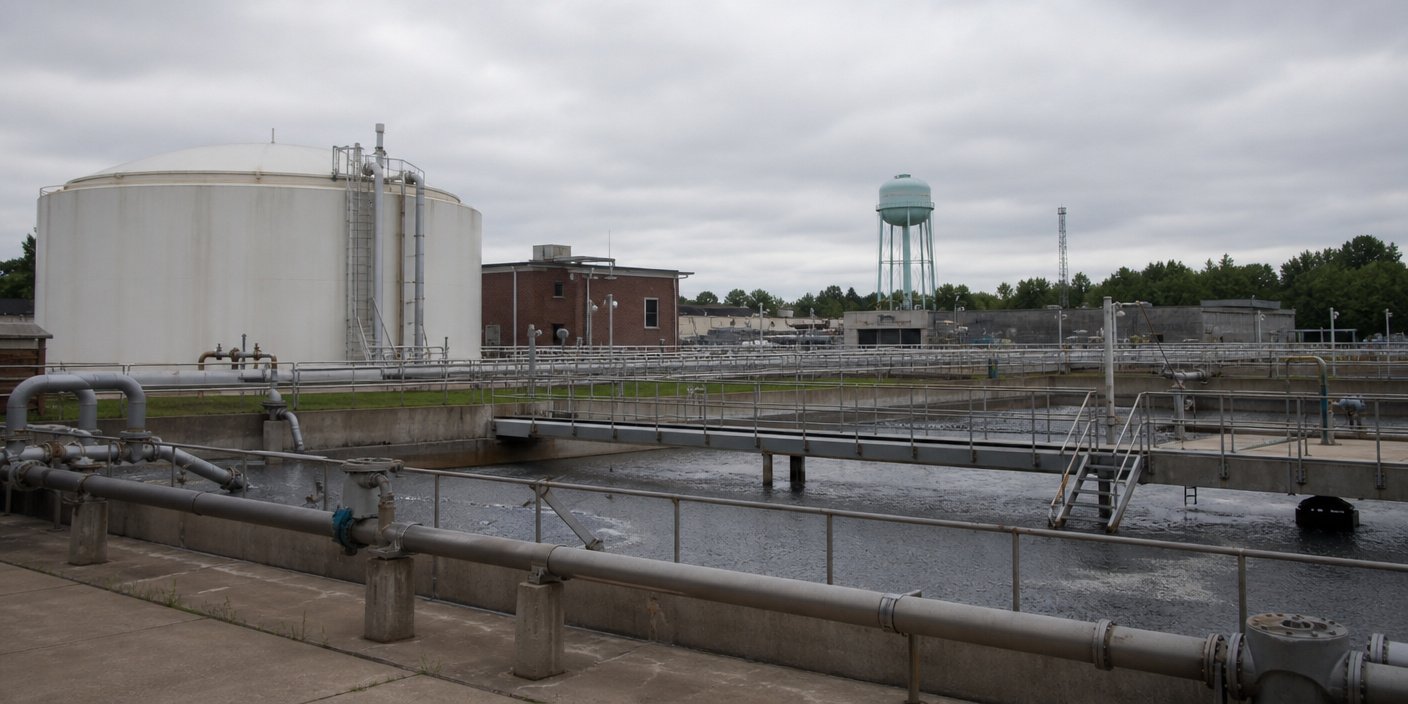
Water systems, often managed by small, localized municipal authorities, are notoriously difficult to secure against state-sponsored advanced persistent threats (APTs). Unlike major financial networks or federal databases, municipal water utilities often operate on aging legacy software systems (SCADA – Supervisory Control and Data Acquisition) that lack modern, robust authentication layers.
Security experts note that these systems represent a “soft target” for adversarial nations. When these systems are breached, the impact can range from the manipulation of chemical levels—such as chlorine—to the disruption of water flow to critical civilian areas. The Minnesota incident appears to follow a pattern observed in several other states, where attackers exploit default passwords or known vulnerabilities in remote-access software commonly used to manage these water-treatment interfaces. The MNIT team, in conjunction with federal partners, is currently conducting a deep-dive forensic analysis to determine the entry point of the attackers and whether any chemical levels were actually altered.
Political Polarization of Security Breaches
Donald Trump’s decision to pin the blame directly on Governor Tim Walz introduces a secondary layer of conflict. By characterizing the attack as a failure of state-level governance rather than a sophisticated cyber-espionage operation, the former president has sought to frame the issue around administrative competence.
Supporters of this viewpoint argue that state leaders have a fiduciary and operational duty to harden the infrastructure under their jurisdiction. They argue that regardless of who the hacker is, the fact that the system was accessible demonstrates a lack of basic “cyber-hygiene.” On the other side of the aisle, supporters of Governor Walz emphasize that cyber warfare is a national security issue that requires federal resources and intelligence-sharing. They contend that blaming local or state executives for sophisticated attacks orchestrated by foreign intelligence agencies—such as those linked to the Iranian Islamic Revolutionary Guard Corps (IRGC)—is both factually misleading and counterproductive to national unity.
Analyzing the “Iranian Hacker” Attribution
To understand the gravity of the situation, one must look at the precedent set by federal agencies like the Cybersecurity and Infrastructure Security Agency (CISA). In recent years, CISA has issued multiple warnings regarding Iranian cyber actors targeting Unitronics PLCs (programmable logic controllers) used in water and wastewater systems globally.
If the investigation by MNIT confirms that the Minnesota attacks utilized similar methodologies, it would align with a larger, documented campaign by Iranian operatives to disrupt Western critical infrastructure. The claim that this is a state-level failure (as Trump suggests) versus a state-sponsored international attack (as many cybersecurity analysts assume) is not merely a semantic difference; it dictates the response. If it is the latter, it necessitates an international diplomatic or retaliatory response from the White House. If it is the former, it demands a change in state procurement and IT security protocols.
Future Implications for U.S. Utility Resilience
Looking forward, the Minnesota case serves as a microcosm for the broader challenges facing American critical infrastructure. The reliance on digital networks for essential services has outpaced the security investments made by many municipalities.
1. Policy Shifts: Federal legislators are increasingly considering mandates that would require municipal utilities to adopt federal-grade cybersecurity standards, potentially backed by federal grants to help fund the necessary upgrades.
2. Public Transparency: The political pressure following the Trump accusation highlights a growing public demand for transparency. Citizens are no longer willing to accept “investigation ongoing” as a final status update; they are demanding to know exactly how vulnerable their local taps are.
3. The Role of AI in Defense: As cyber threats become more automated, state IT departments are looking toward artificial intelligence to monitor network traffic in real-time, hoping to isolate and neutralize unauthorized intrusions before they can gain access to critical water-management systems.
Ultimately, while the political blame game continues to dominate headlines, the underlying reality remains unchanged: the nation’s water supply is increasingly becoming a frontline in global cyber warfare. The investigation in Minnesota will likely set a standard for how such breaches are communicated, remediated, and politicized in the future.
FAQ: People Also Ask
1. Is there evidence that the Minnesota water cyberattack was a failure of the state government?
Currently, there is no evidence that the security breach was caused by negligence on the part of Governor Walz. Official investigations by Minnesota IT Services are still determining the root cause. Many cybersecurity experts attribute these types of attacks to sophisticated foreign state-sponsored hackers, rather than local administrative errors.
2. Who is being blamed for the cyberattacks on Minnesota water systems?
There is a split in the narrative. Former President Donald Trump has publicly blamed Governor Tim Walz and his administration. Conversely, many cybersecurity experts and federal intelligence monitors frequently attribute attacks on similar water infrastructure to state-sponsored hackers, specifically those linked to Iran.
3. What is the current status of the water systems in Minnesota?
Minnesota IT Services (MNIT) reports that the investigation is ongoing. They are working with federal partners to secure the affected networks. While the breach is serious, there have been no confirmed reports of the hackers successfully altering water treatment processes or harming public health.
4. Why are water systems targets for cyberattacks?
Water and wastewater systems are often considered “soft targets” because they utilize older, legacy hardware with limited security capabilities. They are essential for public safety, making them high-impact targets for foreign intelligence agencies looking to cause disruption or demonstrate capability.


Related Posts