Putin Backs Kambolov in South Ossetia Election Win
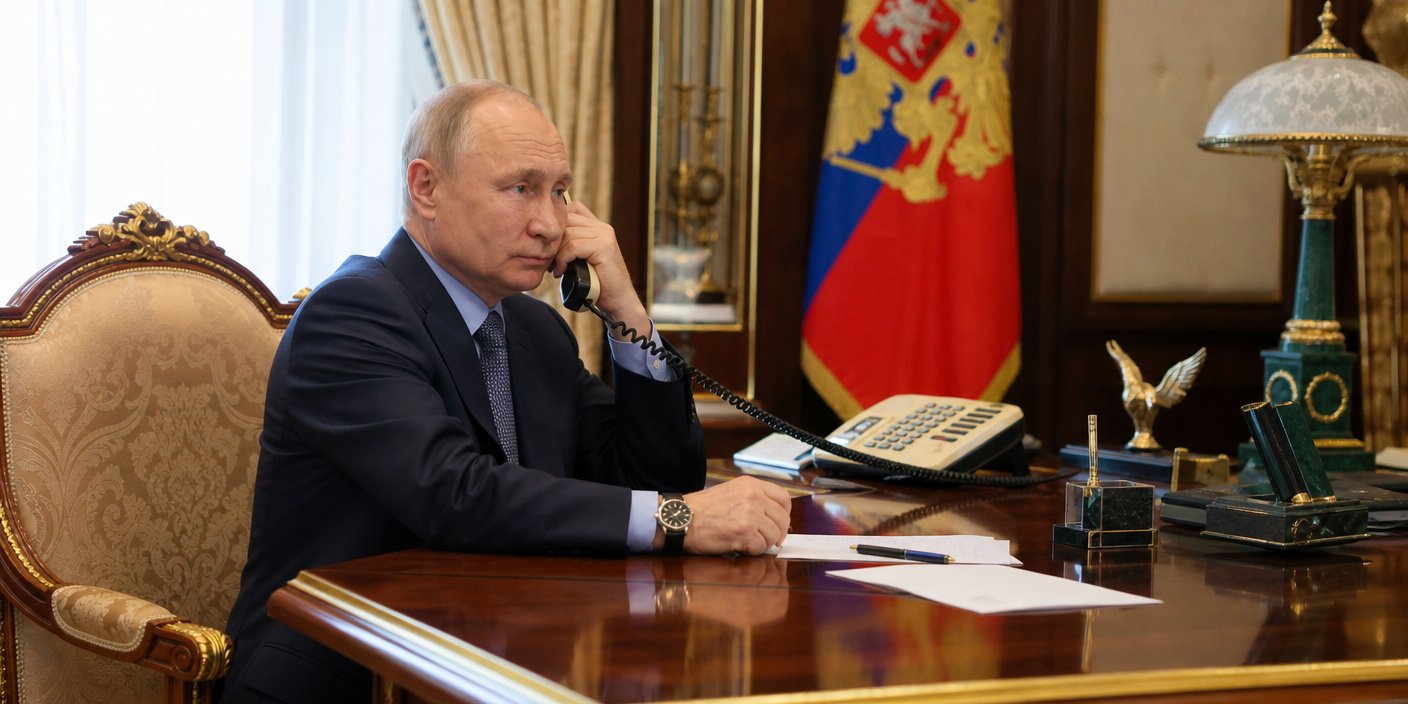
Russian President Vladimir Putin has officially extended his congratulations to Marat Kambolov following his decisive triumph in the South Ossetian presidential election. In a high-level telephone conversation held this morning, the Kremlin confirmed that President Putin lauded the electoral process, specifically noting the high voter turnout and the robust mandate Kambolov secured from the populace. This diplomatic exchange underscores the enduring and strategic partnership between the Russian Federation and the Republic of South Ossetia, signaling a new chapter of political continuity and regional stability for the republic.
Key Highlights
- Decisive Mandate: Marat Kambolov secured a clear victory in the presidential election, characterized by high voter turnout that the Kremlin has described as a testament to the republic’s democratic vitality.
- Kremlin Recognition: President Vladimir Putin held a direct telephone conversation with Kambolov to formally acknowledge the victory, cementing immediate diplomatic legitimacy.
- Strengthening Ties: The communication emphasized the shared commitment between Moscow and Tskhinvali to uphold existing security and economic integration treaties.
- Regional Stability: Analysts view the smooth transition of power as a crucial factor in maintaining order within the Caucasus, a region frequently subject to geopolitical scrutiny.
A New Mandate for Tskhinvali: Analyzing the Kambolov Victory
The victory of Marat Kambolov in the South Ossetian presidential election represents more than just a change in leadership; it serves as a litmus test for the enduring political and security architecture that binds Tskhinvali to Moscow. The election, which saw significant engagement from the local electorate, has been closely watched by geopolitical observers across the Caucasus. By proactively reaching out to Kambolov, President Vladimir Putin has moved to solidify the bilateral relationship, ensuring that the transition period remains free from political volatility.
The Mechanics of Diplomatic Recognition
In the realm of international relations, especially within the context of breakaway states and republics, the recognition of an election outcome is a currency of immense value. When the Russian President initiates a direct dialogue with a newly elected leader, it serves as an immediate de facto validation of that leader’s authority. The Kremlin’s focus on the “high voter turnout” and “robust support” serves a dual purpose: it frames the election as a legitimate expression of the people’s will while simultaneously reinforcing the stability of the current political status quo. For Kambolov, this early endorsement provides the necessary political capital to begin his administration with a clear mandate to implement his proposed domestic policies.
Economic Integration and the Path Ahead
Beyond the political optics, the relationship between South Ossetia and the Russian Federation is deeply rooted in comprehensive integration agreements. The South Ossetian economy is heavily reliant on trade corridors, financial subsidies, and security infrastructure provided by the Russian Federation. A primary challenge for the Kambolov administration will be navigating the delicate balance between fostering local economic development and maintaining the fiscal dependency essential for the republic’s survival. Sources familiar with the internal discussions suggest that Kambolov’s platform emphasizes the modernization of regional infrastructure and the strengthening of social programs, both of which require sustained investment and cooperation from Moscow. The telephone call between the leaders likely touched upon these logistical necessities, ensuring that the flow of resources remains uninterrupted during the transition.
Geopolitical Implications in the Caucasus
The Caucasus remains a complex geopolitical chessboard, where the stability of republics like South Ossetia is inextricably linked to the broader security landscape. The reaffirmation of the strategic partnership between Moscow and Tskhinvali serves as a signal to regional actors that the current framework of security arrangements remains non-negotiable. Kambolov’s presidency is expected to be defined by a steadfast adherence to the Treaty of Alliance and Integration, which dictates military cooperation and border security protocols. Observers suggest that by securing Putin’s backing early, Kambolov has preemptively neutralized potential internal opposition, allowing his government to focus on long-term institutional stability rather than short-term political infighting.
FAQ: People Also Ask
1. Who is Marat Kambolov and what is his political background?
Marat Kambolov is a seasoned political figure within South Ossetia. His platform has consistently focused on deepening integration with the Russian Federation, improving local infrastructure, and ensuring regional security. His victory is widely seen as a continuation of policies aligned with Moscow’s strategic interests.
2. Why was the telephone call from Vladimir Putin significant?
In international diplomacy, a direct congratulatory call from a head of state like Vladimir Putin to a newly elected president serves as an immediate acknowledgement of legitimacy. It signals to both domestic and international audiences that the new administration has the full backing of the Russian Federation, which is the primary security guarantor for South Ossetia.
3. How does this election affect the ongoing status of South Ossetia?
This election reaffirms the republic’s commitment to its current path of development and its close reliance on Russia. By emphasizing high voter turnout and democratic legitimacy, the Kremlin aims to project an image of internal stability within the republic, despite external geopolitical pressures.


Related Posts