Trump Rejects Iran’s Hormuz Plan; Standoff Persists
President Donald Trump has officially rejected a seven-day proposal from Iran to reopen the critical Strait of Hormuz, maintaining current maritime and economic pressure despite Iranian President Masoud Pezeshkian’s recent outreach regarding nuclear inspections. The decision marks a significant refusal of Tehran’s latest attempt to normalize transit through one of the world’s most vital energy chokepoints, signaling that the White House remains unmoved by Iranian concessions that do not align with its comprehensive security demands.
Key Highlights
- Proposal Denied: President Trump has officially rejected a 7-day plan from Iran to reopen the Strait of Hormuz, signaling no immediate change in maritime policy.
- Pezeshkian’s Outreach: Iranian President Masoud Pezeshkian’s recent overtures regarding new nuclear inspection transparency have been deemed insufficient by the administration.
- Strategic Standoff: The White House is maintaining its ‘maximum pressure’ strategy, keeping existing sanctions and military posturing in the Persian Gulf firmly in place.
- Global Economic Stakes: With over 20% of the world’s daily oil consumption passing through the Strait of Hormuz, the refusal to normalize transit keeps global energy markets on high alert.
The Geopolitical Impasse in the Persian Gulf
The rejection of Iran’s proposal serves as a definitive statement on the current state of US-Iran relations. For weeks, diplomatic channels have been flooded with rumors of a thaw, particularly following President Pezeshkian’s signals that Tehran might be willing to allow increased access for International Atomic Energy Agency (IAEA) inspectors at key facilities. The proposed 7-day plan to ‘de-escalate’ and reopen the Strait of Hormuz was framed by Tehran as a goodwill gesture intended to stabilize the flow of global commerce and demonstrate a willingness to rejoin the international community under modified terms.
However, the White House has largely characterized these moves as performative. By rejecting the plan, the Trump administration is reinforcing its doctrine that substantive relief—including the easing of maritime restrictions—will only be granted in exchange for concrete, verifiable dismantling of Iran’s ballistic missile program and an end to regional proxy support, rather than limited nuclear transparency.
The Mechanics of ‘Maximum Pressure’ 2.0
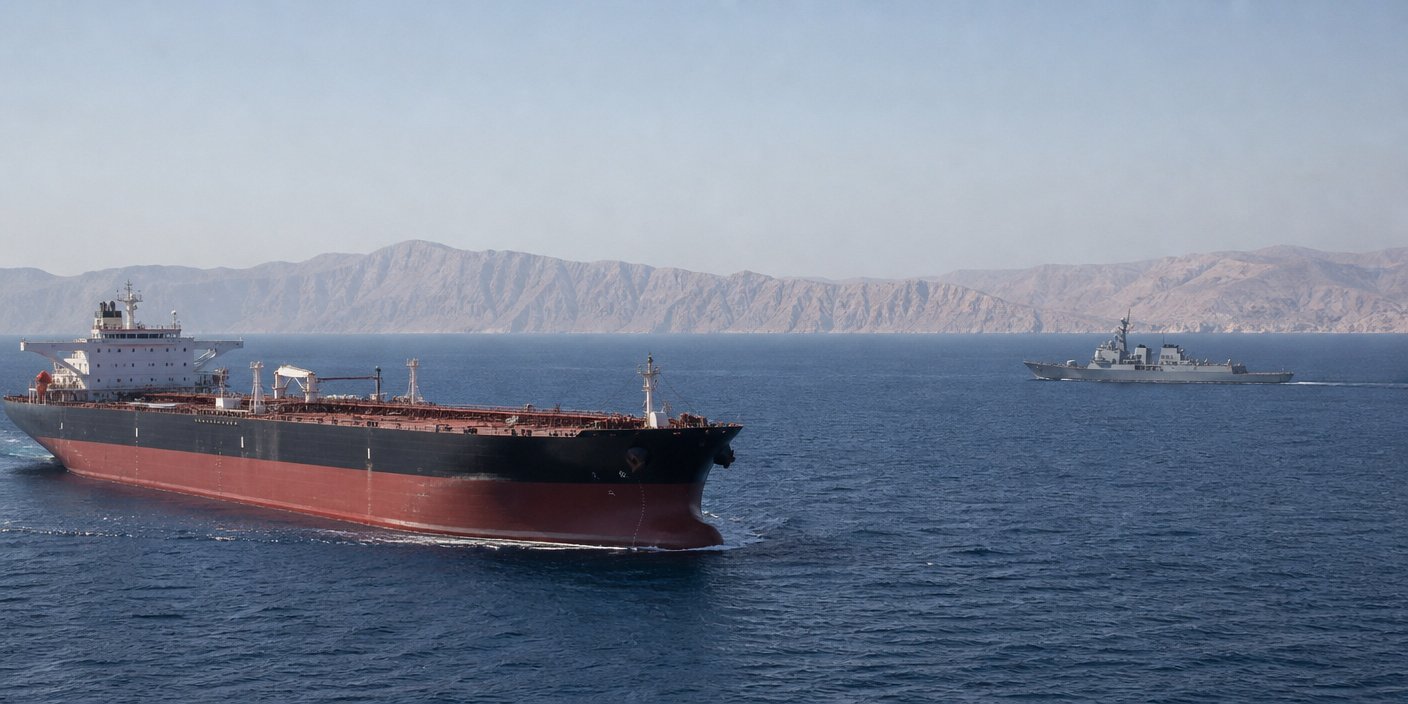
Central to the current policy is the continued deployment and assertive posture of the US Fifth Fleet, headquartered in Bahrain. The Strait of Hormuz is not merely a commercial waterway; it is a tactical theater. The US Navy has consistently maintained that any Iranian-led ‘reopening’ must be verified by international maritime security coalitions rather than unilateral Iranian control. Analysts suggest that the administration fears that accepting Iran’s 7-day plan would provide a temporary reprieve for the Iranian economy while allowing Tehran to retain its leverage over global oil prices.
By holding firm, the administration effectively keeps the ‘chokepoint’ under the shadow of US-led security operations. This creates a dual-pressure effect: the economic strain of existing sanctions combined with the military inability to fully leverage the Strait as a bargaining chip. For the global energy markets, this translates to a persistent risk premium. As long as the Strait remains a site of contested sovereignty, shipping companies face higher insurance premiums, and the prospect of supply disruptions remains a constant, looming variable in the energy sector.
Iran’s Diplomatic Dilemma
For President Pezeshkian, the rejection represents a significant political setback. The ‘charm offensive’—which included hints at broader nuclear inspection access—was designed to court European powers and potentially create a wedge between Washington and its traditional allies. By offering to reopen the Strait, Tehran aimed to reposition itself as a responsible stakeholder in global trade.
The failure of this strategy forces the Iranian leadership to consider more drastic alternatives. Observers in the region are watching closely to see if Tehran will pivot back toward a ‘resistance’ economy, doubling down on non-oil exports and deepening ties with non-Western partners to insulate itself from the US-led isolation. The rejection of the proposal is seen by many in Tehran as proof that Washington is not interested in negotiation, but in total capitulation.
The Future of Maritime Security
Looking ahead, the US is unlikely to soften its stance without a fundamental shift in Tehran’s regional behavior. The administration’s refusal to engage with the 7-day plan suggests that future diplomatic attempts will likely face similar scrutiny. The Strait of Hormuz remains the pulse point of the global economy, and for the foreseeable future, the heartbeat of that pulse will be determined by the friction between the US policy of maximum pressure and Iran’s efforts to break free from the constraints of international isolation.
As the situation develops, the international community, particularly the GCC (Gulf Cooperation Council) nations, are caught in the middle. While they rely on the stability provided by the US security umbrella, they are also economically vulnerable to any kinetic escalation in the Strait. The administration’s move to reject the plan keeps the status quo firmly in place, avoiding the immediate chaos of a confrontation but offering no clear roadmap to long-term de-escalation.
FAQ: People Also Ask
1. Why did the US reject the 7-day proposal to reopen the Strait of Hormuz?
The administration views the proposal as a tactical maneuver rather than a sincere effort at resolution. Officials argue that it does not address the broader issues of ballistic missile proliferation and regional instability that underpin current US sanctions.
2. What role does the US Fifth Fleet play in this standoff?
Based in Bahrain, the Fifth Fleet is the primary instrument for maintaining maritime security in the Persian Gulf. Their presence ensures that the Strait of Hormuz remains international waters, preventing any single nation—specifically Iran—from controlling commercial transit through the waterway.
3. How does this impact global oil prices?
The Strait of Hormuz handles roughly 20% of global oil consumption daily. Uncertainty regarding transit security and the potential for a ‘choke’ keeps energy markets volatile, with traders constantly pricing in the risk of supply disruptions.
4. Is there any chance for future nuclear talks?
While Pezeshkian has hinted at more transparency, the White House has maintained that any new nuclear agreements must be ‘comprehensive,’ covering not just nuclear enrichment but also the missile programs and proxy activities that the current administration considers critical threats.


Related Posts