
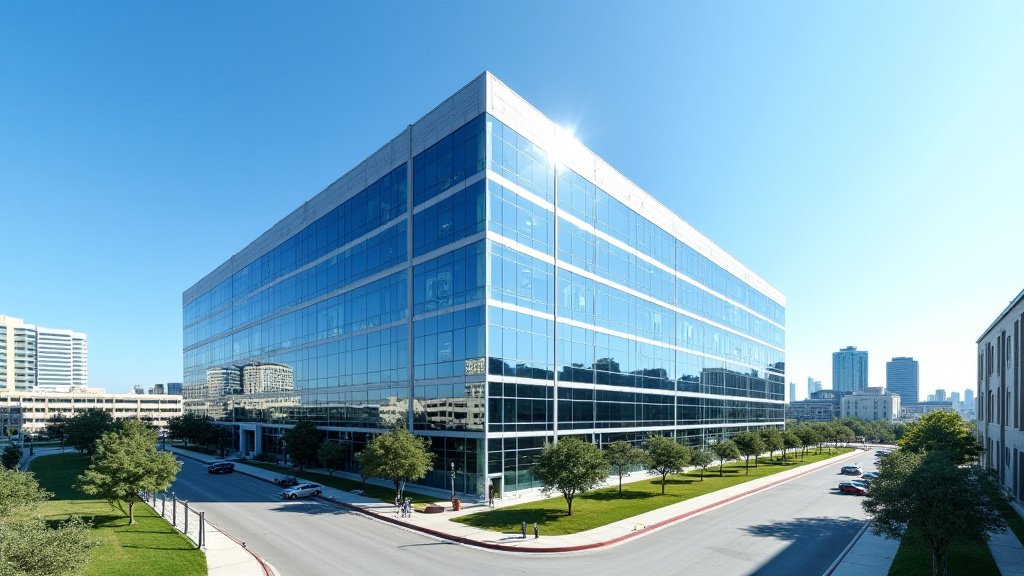
Morgan Stanley Bets $684M on Dallas Hub Expansion
Morgan Stanley is officially establishing a new U.S. hub in Dallas, a landmark expansion backed by a substantial $684 million capital investment. The project, which is projected to create over 3,800 new jobs in the North Texas region, marks a significant milestone in the state’s ongoing effort to solidify its position as a primary global financial center. The expansion is bolstered by a $43.8 million grant from the Texas Enterprise Fund (TEF), reflecting a collaborative economic development strategy between the state and one of the world’s leading financial institutions.
Key Highlights
- Investment Scale: Morgan Stanley is deploying a $684 million capital investment into the Dallas market.
- Job Creation: The project is expected to generate over 3,800 new, high-quality jobs.
- State Support: The Texas Enterprise Fund awarded a $43.8 million grant to facilitate this move.
- Economic Significance: This expansion reinforces North Texas’ status as a premier destination for corporate headquarters and financial services.
The Financial Corridor: Decoding the Texas Economic Surge
The arrival of a global financial powerhouse like Morgan Stanley in Dallas is not an isolated event but rather the latest indicator of a profound structural shift in the American financial landscape. For decades, the industry was tethered strictly to the corridors of New York City and London. However, the rise of the “Sun Belt” as a viable, high-capacity alternative for financial operations has accelerated rapidly over the last five years. Governor Greg Abbott has made the aggressive pursuit of corporate relocations and expansions a cornerstone of his economic policy, utilizing the Texas Enterprise Fund as a key lever to entice major players.
The Mechanics of the Texas Enterprise Fund
The $43.8 million grant provided to Morgan Stanley is a classic example of how Texas leverages incentives to ensure that “big fish” corporate relocations land in the Lone Star State. The Texas Enterprise Fund is specifically designed to attract projects that promise to bring significant capital investment and high-paying jobs. By de-risking the expansion for a firm of Morgan Stanley’s magnitude, the state effectively accelerates the timeline for project approval and construction. This partnership is contingent upon Morgan Stanley meeting strict job creation and capital investment benchmarks, ensuring the state’s fiscal commitment correlates directly with concrete economic returns.
Workforce Dynamics and Talent Acquisition
The creation of 3,800 jobs is the headline figure, but the quality of these roles is equally important for the regional economy. Morgan Stanley’s expansion is expected to tap into the deep pool of talent already present in the Dallas-Fort Worth (DFW) area, a region that boasts a lower cost of living compared to traditional financial hubs and a business-friendly regulatory environment. This influx of high-salary finance, technology, and operations positions will likely have a multiplier effect on the local economy, fueling growth in the luxury housing, retail, and professional services sectors surrounding the new facility.
The Shift Toward Decentralized Banking
Beyond the raw numbers, this expansion represents a strategic shift in how global banks view organizational risk and resilience. During and after the global disruptions of the early 2020s, many financial giants recognized the need to decentralize their workforce. Dallas provides the perfect combination of infrastructure, time-zone alignment with the East Coast, and a massive, growing international airport (DFW International), which serves as a critical connection point for global financial executives. By building a massive hub in Dallas, Morgan Stanley is creating a redundant, scalable operations center that can function independently of its Northeast presence, ensuring business continuity in the face of regionalized disruptions.
Real Estate and Infrastructure Implications
A $684 million capital investment implies more than just payroll; it suggests a significant investment in physical real estate. Whether through the development of a new campus or the substantial renovation of existing high-end office space, this project will likely serve as a catalyst for further development in the targeted business district. Dallas has seen a sustained trend of “flight to quality,” where companies are moving into newer, more sustainable, and high-tech office buildings to attract the modern workforce. Morgan Stanley’s presence will almost certainly influence local commercial real estate prices and development planning for the next decade.
FAQ: People Also Ask
Q: What is the primary purpose of the Texas Enterprise Fund (TEF)?
A: The Texas Enterprise Fund is a taxpayer-funded economic development tool used to attract new businesses and expansions to the state. It functions as a “deal-closing” fund, providing financial incentives to companies that promise a significant number of jobs and a high level of capital investment that might otherwise go to another state.
Q: How does the Morgan Stanley expansion affect the Dallas job market?
A: The project is expected to create over 3,800 jobs. These roles span various functions, including financial services, technology, and operational support. This provides a massive boost to the local labor market, increasing competition for top talent and potentially driving up wage growth in related financial sectors.
Q: Is the $684 million investment strictly for salaries?
A: No. The $684 million figure represents the total capital investment. This encompasses real estate costs (construction or leasehold improvements), technology infrastructure, hardware, software, regulatory compliance systems, and other operational expenditures required to stand up a new corporate hub, in addition to workforce compensation.
Q: Why is Dallas becoming a preferred hub for major financial institutions?
A: Dallas offers a combination of a low tax burden, no state income tax, a large and rapidly growing population of skilled professionals, and a centralized geographic location that makes domestic travel efficient. These factors, combined with aggressive state-level recruitment by officials like Governor Abbott, have created a highly attractive environment for corporate investment.


Related Posts