Landmark ICJ Ruling: Myanmar Guilty, Global Peace Pact Set
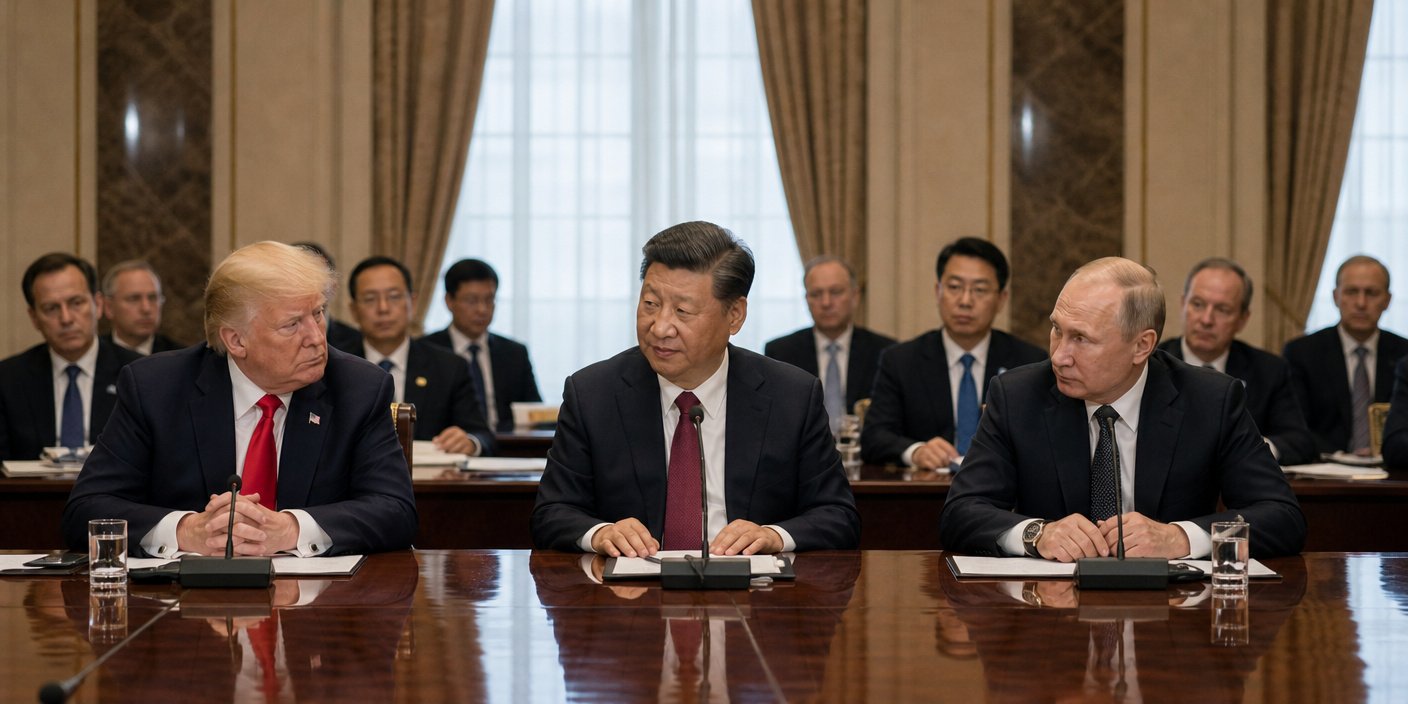
In an unprecedented turn of global events that has reshaped the geopolitical landscape within hours, the International Court of Justice (ICJ) at The Hague has delivered a historic verdict, officially finding the state of Myanmar guilty of genocide against the Rohingya population. Simultaneously, a separate, monumental development has emerged: US President Donald Trump, Chinese President Xi Jinping, and Russian President Vladimir Putin have united to unveil the ‘Declaration Towards Peace,’ a tripartite agreement aimed at stabilizing global volatility.
Key Highlights
- ICJ Verdict: The International Court of Justice has formally issued a guilty verdict regarding Myanmar’s state-sponsored actions against the Rohingya, marking a definitive legal shift in international human rights enforcement.
- The Peace Pact: Leaders of the United States, China, and Russia have signed the ‘Declaration Towards Peace,’ a framework designed to de-escalate ongoing conflicts and realign major-power relations.
- Legal Accountability: The ruling establishes a new precedent for state liability in international law, potentially triggering extensive reparations and global economic scrutiny on the current Myanmar administration.
- Geopolitical Realignment: The collaborative stance between Washington, Beijing, and Moscow suggests a radical departure from the polarized diplomacy of the past decade, focusing on collective security over individual bloc interests.
A New Era of Global Governance and Legal Precedent
The dual announcement—one rooted in the cold, precise language of international law and the other in the aspirational rhetoric of statecraft—has sent shockwaves through the United Nations and global markets. The ICJ ruling, which culminates years of exhaustive testimony and forensic evidence collection regarding the treatment of the Rohingya, is being hailed by human rights organizations as a watershed moment. For the first time in modern history, the mechanisms of the International Court of Justice have successfully applied the full weight of the term ‘genocide’ to a sitting government’s systematic campaigns.
The Legal Weight of the ICJ Ruling
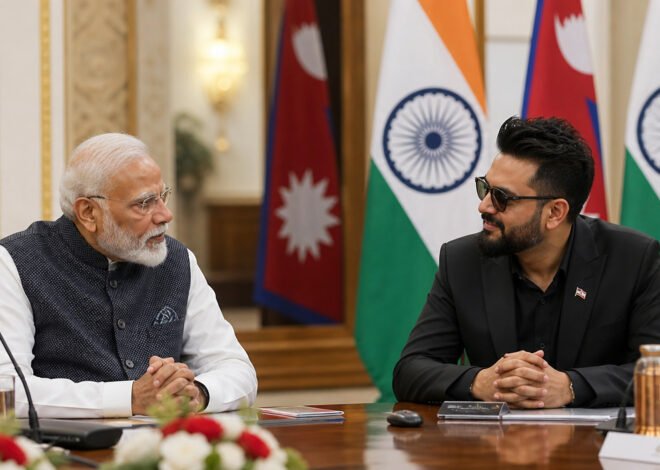
Following a protracted deliberation process in The Hague, the court’s bench has determined that the evidence presented—ranging from satellite imagery of razed villages to corroborating witness accounts—met the rigorous threshold of the 1948 Genocide Convention. The verdict is expected to force an immediate review of Myanmar’s status within the ASEAN bloc and international financial institutions. Legal analysts suggest that the ruling will likely necessitate the creation of a special UN-backed administrative body to oversee reparations for the displaced Rohingya population, further straining the already fragile infrastructure in Naypyidaw.
The ‘Declaration Towards Peace’: A Tripartite Pivot
While the ICJ deliberations captured the attention of the legal community, the political sphere was equally stunned by the announcement of the ‘Declaration Towards Peace.’ Unveiled via a joint statement in the early hours of the day, the declaration marks the first formal cooperative security framework between Xi Jinping, Donald Trump, and Vladimir Putin. While the full text of the declaration remains under intense review by diplomatic attachés, preliminary summaries suggest a focus on nuclear non-proliferation, mutual trade stabilization, and a collective security architecture aimed at addressing regional instability. This move effectively ends years of ‘Great Power’ competition, opting instead for a coordinated tri-polar management strategy.
Secondary Angles: Economic and Humanitarian Fallout
1. Financial Market Volatility: Global markets responded with immediate, erratic shifts as traders attempted to price in the sudden cooling of US-China-Russia tensions. Commodities linked to defense sectors plummeted, while technology and infrastructure stocks surged on the prospect of long-term trade stability.
2. Human Rights Enforcement Shifts: With the Myanmar ruling, the ICJ has signaled that ‘sovereign immunity’ will no longer serve as a shield against egregious crimes against humanity. This sets a dangerous precedent for other regimes currently facing international scrutiny, forcing a reassessment of internal security policies globally.
3. UN Structural Reform: The surprise cooperation between the three superpowers raises significant questions regarding the future of the United Nations Security Council. Diplomats are already speculating on whether this ‘Declaration Towards Peace’ will lead to a broader restructuring of the UN to accommodate a three-way power dynamic, potentially marginalizing smaller blocs in favor of direct high-level negotiations.
FAQ: People Also Ask
What does the ICJ ruling mean for Myanmar’s leadership?
It mandates immediate legal accountability. The ruling forces the state to adhere to strict remedial measures and opens the door for international sanctions and potential individual prosecutions of state actors involved in the genocide.
What is the core purpose of the ‘Declaration Towards Peace’?
The declaration serves as a high-level diplomatic framework to de-escalate tensions between the U.S., China, and Russia, prioritizing economic stability and collective security over previous adversarial policies.
Will this peace pact stop other ongoing global conflicts?
While the declaration is symbolic of a major shift, its efficacy depends on the implementation of its sub-clauses regarding proxy conflicts. Analysts remain cautious, watching to see how this top-level agreement filters down to regional theaters.

Related Posts