Nepal PM Shah Lands in India for Key Strategic Talks
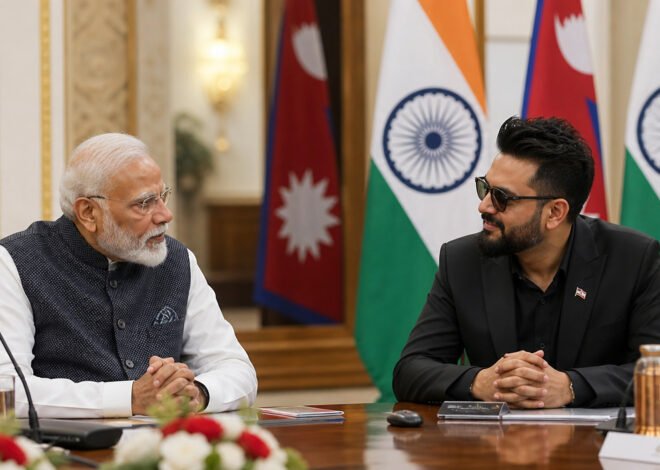
Prime Minister Balendra Shah has officially arrived in New Delhi for a landmark two-day state visit, setting the stage for high-level bilateral discussions with Indian Prime Minister Narendra Modi. The visit, which underscores a renewed commitment to neighborhood diplomacy, aims to solidify cooperation in critical sectors including cross-border connectivity, infrastructure development, and long-term energy integration between the two South Asian neighbors.
Key Highlights
- Two-day state visit to New Delhi to strengthen diplomatic ties.
- Primary agenda: Infrastructure development, energy, and connectivity.
- Focus on deepening the strategic partnership between Nepal and India.
Strengthening the Neighborhood: A New Era of Cooperation
The arrival of Prime Minister Balendra Shah in India marks a pivotal moment in the diplomatic trajectory between Kathmandu and New Delhi. As the delegation touches down, the atmosphere is one of pragmatic optimism, focusing on actionable outcomes rather than purely ceremonial engagement. The two-day itinerary is packed with high-level dialogues aimed at recalibrating the bilateral framework to better address contemporary challenges and opportunities.
At the heart of the discussions with Prime Minister Narendra Modi is the overarching theme of connectivity. In an era where regional supply chains are becoming increasingly vital, both nations are looking to streamline the physical and digital linkages that facilitate trade, tourism, and interpersonal exchange. This isn’t just about constructing roads; it is about creating an integrated economic corridor that benefits businesses on both sides of the border. The conversations are expected to delve into the status of ongoing integrated check posts (ICPs), railway linkages, and the harmonization of trade protocols that have historically hindered seamless movement of goods.
Powering the Future: Energy Grid Integration
One of the most anticipated components of this bilateral visit is the emphasis on energy cooperation. Nepal, with its vast untapped hydropower potential, views India as a critical market and a partner in infrastructure development. The discussions are slated to focus on the long-term Power Trade Agreement and the expansion of the cross-border transmission grid.
By integrating the power grids, both nations aim to achieve a symbiotic energy relationship. For Nepal, this means a reliable revenue stream and the ability to monetize its natural resources. For India, it provides access to green, renewable energy, assisting in the country’s decarbonization goals. Observers are keenly watching for potential announcements regarding joint investments in mega-hydropower projects and the operationalization of new high-voltage transmission lines that would allow Nepal to export excess energy during peak generation seasons.
Infrastructure and Logistics: Beyond the Border
Beyond energy, the infrastructure agenda is extensive. Both leaders are expected to review the progress of major transit corridors. The development of physical infrastructure—including bridges, highways, and specialized logistics hubs—is being framed as the backbone of the next decade of cooperation.
This sector is particularly important for landlocked Nepal, which relies heavily on Indian ports and transit routes for international trade. Improving the efficiency of transit through Indian territory is a perennial item on the agenda, but this visit appears aimed at moving beyond maintenance to expansion. Discussions will likely revolve around the modernization of current transit infrastructure and the introduction of digital tracking and customs processes to reduce transit time and costs. By aligning these logistical frameworks, the two nations hope to stimulate manufacturing and localized industrial growth in the border regions.
Geopolitical Balancing and Regional Stability
While the focus remains on economic and infrastructure ties, the subtext of the visit involves the broader geopolitical landscape of South Asia. Prime Minister Shah’s visit is seen as a strategic move to reaffirm the ‘special relationship’ that defines the historical ties between the two nations. In a region where external influence is growing, the ability of India and Nepal to maintain a robust, transparent, and mutually beneficial relationship is paramount.
This visit serves as a platform to streamline communication channels and address potential friction points before they escalate. By focusing on concrete deliverables—energy exports, road connectivity, and trade facilitation—both leaders are signaling a preference for development-focused diplomacy over purely political posturing. The success of this visit will be measured not just by the joint statements issued, but by the tangible progress on the ground in the months following the summit.
FAQ: People Also Ask
1. What is the primary focus of Prime Minister Balendra Shah’s visit to India?
The primary focus is on strengthening bilateral ties through cooperation in connectivity, infrastructure development, and energy integration, including discussions on cross-border transmission lines and trade logistics.
2. Why is energy cooperation between Nepal and India considered vital?
It is mutually beneficial; Nepal gains a significant market for its hydropower exports, while India gains access to a steady source of renewable, green energy to help meet its growing industrial and domestic electricity demands.
3. How will this visit impact regional infrastructure?
The visit is expected to accelerate the development of integrated check posts, highway connectivity, and modernized customs protocols, which are designed to streamline trade and reduce transit costs between the two nations.
4. Is this visit part of a larger diplomatic strategy?
Yes, it is part of a broader effort to reaffirm the historically deep ties between Nepal and India and to stabilize the regional partnership through a focus on economic development and practical, results-oriented diplomacy.

Related Posts