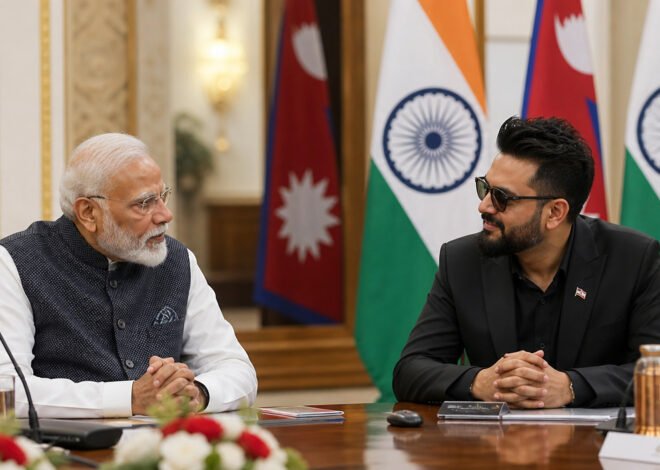

Trump Returns After Historic Russia-China Summit
President Donald Trump returned to Washington today following the conclusion of a rare trilateral summit involving the heads of state from Russia and China, signaling a major shift in the global diplomatic landscape. The high-stakes meeting, conducted behind closed doors, has sent shockwaves through international policy circles, effectively reordering the traditional alliances that have dominated the 21st century. As the presidential motorcade arrived at the White House, the administration remained tight-lipped regarding the specific communiqués issued, though analysts are already labeling the event a definitive pivot point for the current global order.
Key Highlights
- Historic Trilateral Meeting: The summit marks the first formal three-way engagement of this caliber between the U.S., Russia, and China in several years, potentially ending a period of intense diplomatic isolation.
- Strategic Realignment: Observers note the meeting may signify a shift from bipolar Cold War-style dynamics toward a new, multi-polar framework focused on transactional diplomacy.
- Global Market Impact: Financial analysts are monitoring commodity indices and currency valuations closely, as investors brace for shifts in international trade agreements that could emerge from the summit.
- Domestic Implications: With the President’s return, the administration faces immediate pressure to outline the national security benefits of these talks against the backdrop of existing sanctions and strategic competition.
Navigating the New Geopolitical Triad
The return of President Trump to the nation’s capital following this unprecedented summit has ignited a firestorm of speculation, debate, and strategic re-evaluation across the geopolitical spectrum. For decades, the global diplomatic architecture has relied on established power structures—NATO, the G7, and traditional bilateral treaties. The sudden emergence of a trilateral dialogue involving Washington, Moscow, and Beijing suggests a dramatic departure from this status quo, hinting at a future where global governance is conducted through ad-hoc, deal-based negotiations rather than entrenched multilateral coalitions. This summit, characterized by its secrecy and the status of the participants, represents a massive gamble on the efficacy of direct leader-to-leader diplomacy.
Historical Context: The Shift in Diplomacy
To understand the gravity of this event, one must look back at the historical precedents of tripartite diplomacy. Historically, major global shifts were often cemented through summits that redefined boundaries and influence zones. However, the current iteration is distinct. Unlike the Cold War-era summits which were largely focused on nuclear de-escalation and containment, this trilateral meeting appears focused on the economic and strategic interdependencies that define the modern era. The inclusion of China alongside Russia suggests an acknowledgment of a new, complex economic reality: that the United States cannot navigate the 21st century without simultaneously engaging its two most formidable rivals. Political historians argue that this meeting could serve as the foundational moment for a new ‘Concert of Powers’—a fragile, yet necessary, framework intended to manage regional conflicts that have historically spiraled into global crises.
The Economic Consequences and Global Markets
The immediate aftermath of the summit has sent ripples through global equity markets. Investors are hyper-focused on what the trilateral discussions might imply for global trade flows, particularly regarding energy exports and technological trade restrictions. For years, the U.S. has maintained a posture of containment, but this summit suggests a potential cooling of rhetoric in favor of pragmatic engagement. If the discussions lead to a reduction in tariffs or a easing of secondary sanctions, we could see a rapid shift in capital allocation toward emerging markets that have previously been squeezed by the U.S.-China trade war. Economists are particularly watching the ‘Energy-Trade Nexus’—the idea that Russia’s resource wealth, China’s manufacturing capacity, and U.S. market access are being discussed as an integrated, albeit volatile, system. The volatility index is expected to remain high as the details of these discussions filter into the broader economic system.
Future Projections for Washington’s Foreign Policy
As the administration transitions from the summit back to the realities of domestic policy, the key question remains: what does this mean for the traditional Western alliance? European capitals have reacted with characteristic caution, fearing that a U.S.-Russia-China alignment could sideline their own strategic priorities. The administration’s pivot suggests a doctrine of ‘America First’ global engagement that prioritizes direct outcomes over institutional consistency. Looking forward, we can expect a dual-track foreign policy: one that maintains the existing security architecture for the sake of stability, and another that aggressively pursues transactional wins through this new trilateral mechanism. This dual-track approach carries significant risk—if the summit fails to yield concrete results, the administration may find itself having alienated its traditional allies without having secured any meaningful concessions from its rivals. The next ninety days will be critical, as the administration will likely need to translate the abstract agreements of this summit into tangible policy wins to satisfy both domestic critics and skeptical global partners. The era of the trilateral pivot has begun, and the consequences for the international order are only just coming into view.
FAQ: People Also Ask
1. What was the primary goal of the trilateral summit?
The summit aimed to establish a new framework for direct, high-level communication between the U.S., Russia, and China to manage global instability and address critical economic issues that require cooperation from all three nations.
2. Will this summit impact existing sanctions or trade tariffs?
While the administration has not released official details, market analysts expect that discussions regarding tariffs and sanctions were on the agenda, though any changes will likely be incremental rather than immediate.
3. How have U.S. allies responded to this development?
Initial reactions from NATO members and other traditional U.S. allies have been marked by concern, with many seeking clarification on whether this new trilateral engagement signals a move away from traditional multilateral alliance commitments.

Related Posts