September 29, 2025: A Day of Global Flashpoints – Missile Strikes, Trade Wars, Visa Races, and Natural Disasters Dominate Headlines
The world witnessed a tumultuous September 29, 2025, as a series of significant events unfolded across geopolitical, economic, and environmental spheres. From escalating regional tensions in the Middle East to sweeping economic policy shifts and devastating natural disasters, this single day presented a stark picture of global challenges and strategic realignments.
Escalating Tensions and Geopolitical Maneuvers
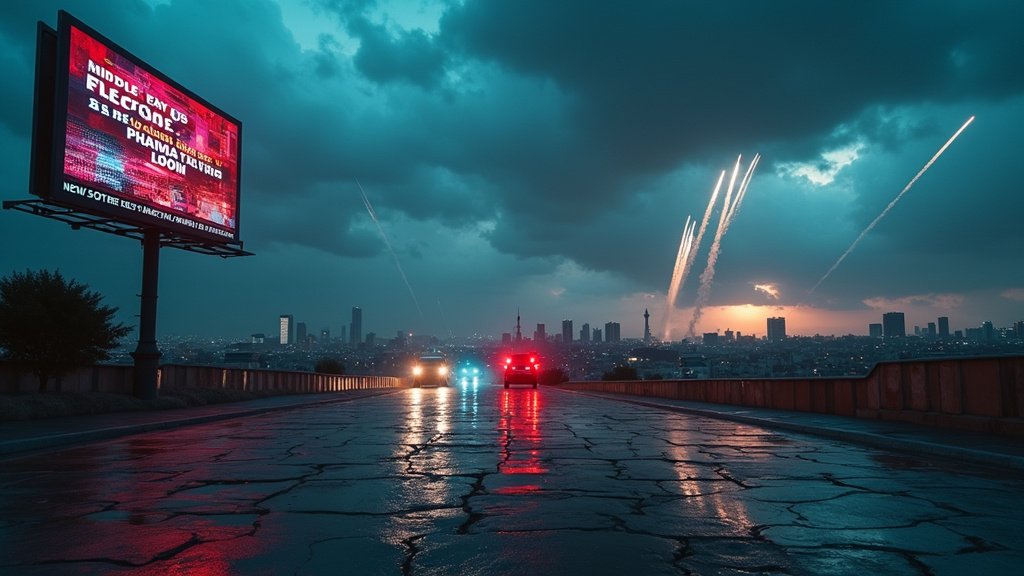
In the Middle East, the long-simmering conflict saw a dangerous escalation. Houthi rebels launched a series of missile and drone attacks targeting Israel. Reports indicate a missile, identified as the “Palestine-2,” was fired towards Tel Aviv, with additional drones reportedly directed at Eilat. This aggression follows a pattern of increased Houthi assertiveness in the Red Sea region. Adding to the regional volatility, Iran confirmed the execution of Bahman Choubi-asl, whom judicial authorities described as one of Israel’s most significant spies within the country. Choubi-asl was accused of extensive cooperation with Mossad, aiming to infiltrate Iranian data centers and sensitive projects. The execution, carried out on September 29, occurred amidst heightened tensions between Iran and Israel, including direct military exchanges earlier in the year.
Meanwhile, in the Americas, the United States military was reportedly drawing up plans for potential drone strikes within Venezuela. These plans, discussed by U.S. military officials, primarily focus on targeting drug trafficking groups, their leadership, and associated laboratories. The move comes as part of a broader strategy against alleged drug trafficking originating from Venezuela, with U.S. naval forces having already conducted several strikes on vessels in the Caribbean and Pacific over the preceding weeks. Venezuela, meanwhile, braced for potential U.S. action, with its military reportedly in a state of decay.
Economic Frontlines: Tariffs and Talent Wars
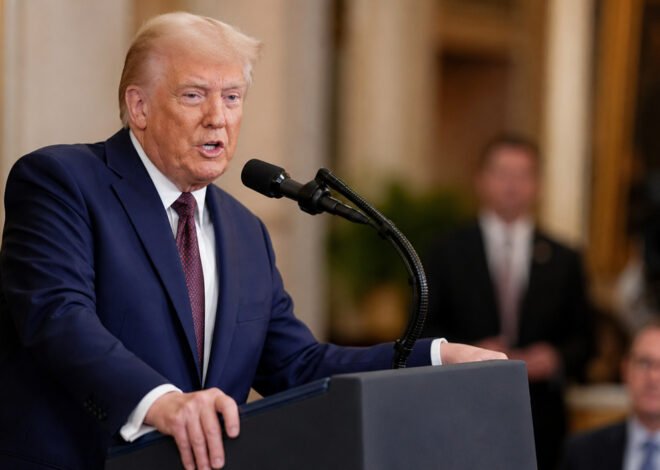
Economically, two major strategic moves were making waves. U.S. President Donald Trump’s administration finalized plans to impose a 100 percent tariff on branded and patented pharmaceutical exports to the United States, effective October 1, 2025. This aggressive policy aims to incentivize pharmaceutical companies to build or expand manufacturing facilities within the U.S., with construction beginning on American soil being the key exemption. Pharmaceutical giants have reportedly pledged over $351 billion in investments into U.S. manufacturing operations in anticipation of these tariffs, signaling a significant reshuffling of global supply chains.
In a move seen as a direct counter to tightening U.S. immigration policies for skilled workers, China officially launched its new ‘K’ visa program on October 1, 2025. This initiative is specifically designed to attract young foreign talent in science, technology, engineering, and mathematics (STEM) fields. The K visa offers enhanced convenience, long-term residency, and employment opportunities without the immediate need for an employer sponsorship, contrasting sharply with perceived restrictions in Western nations. This strategic play positions China to compete more directly for global innovation leaders.
Natural Calamities and Domestic Strife
Asia was grappling with the aftermath of significant natural disasters. Vietnam experienced severe flooding and widespread damage from the remnants of former Typhoon Bualoi. The storm made landfall on September 29, bringing heavy rains and strong winds that caused extensive damage to infrastructure, homes, and power grids. Reports indicated a death toll ranging from at least nine to over thirty, with numerous people missing and injured. Rescue efforts were underway amidst the ongoing challenging conditions.
In India, Prime Minister Narendra Modi drew parallels between the Indian cricket team’s Asia Cup final victory over Pakistan and military operations, referencing “Operation Sindoor”. His comments on X sparked debate, with supporters lauding his patriotic sentiment and critics questioning the conflation of sports with conflict.
Meanwhile, in Nepal, the government imposed travel bans on former Prime Minister K.P. Sharma Oli and other senior officials in connection with deadly unrest that had gripped the nation. The protests, fueled by anger over economic hardship, corruption, and a controversial social media ban, had resulted in significant casualties and led to the collapse of the government.
Following a tragic stampede that claimed 41 lives during a political rally in Tamil Nadu, India, Chief Minister M.K. Stalin announced on September 29, 2025, that the state government would introduce new rules and guidelines for public events. These measures are intended to enhance public safety, improve crowd control, and ensure better preparedness for large gatherings organized by political parties and other entities.
As the day drew to a close, the confluence of these recent global developments highlighted a world grappling with interconnected crises, from state-sponsored conflicts and economic realignments to the undeniable impact of environmental challenges and domestic political pressures. This news underscores the complex and often volatile landscape of international affairs in late 2025.


Related Posts