UNGA Standoff: Global Tensions Surge as Trade Wars Hit New York
The United Nations General Assembly has officially convened in New York, transforming the city into a pressurized hub of geopolitical maneuvering. As heads of state and diplomats from around the globe arrive at the UN headquarters, the atmosphere is defined not by cooperation, but by a palpable sense of friction. The current session has immediately centered on two volatile pressure points: the escalating rhetoric between the White House and Tehran, and the ongoing, economically destabilizing trade war between the United States and Canada, led by Prime Minister Mark Carney.
The Diplomatic Stage at the UNGA
The annual gathering of the General Assembly is intended to be a forum for multilateral consensus; however, the current climate suggests a regression toward unilateral assertion. The primary agenda items, which theoretically focus on sustainable development and global security, have been overshadowed by the immediate crises of statecraft. For observers and international delegates alike, the concern is that the assembly serves less as a bridge for dialogue and more as a megaphone for entrenched positions. The presence of world leaders in New York provides a rare, high-stakes venue for bilateral pressure, where the corridor conversations often carry more weight than the speeches delivered from the podium.
The Iran Escalation: A White House Pivot
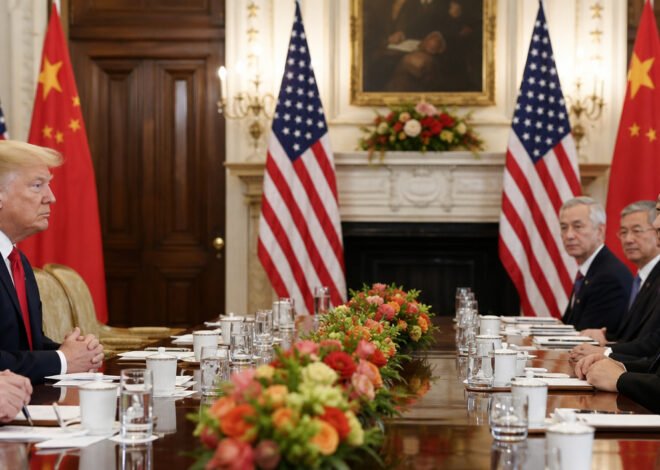
Central to the tension in New York is the renewed and intensified stance of U.S. President Donald Trump regarding Iran. In a move that has sent shockwaves through the diplomatic community, President Trump has utilized the UN platform to issue fresh, explicit threats against the Iranian state. These comments are not isolated incidents but reflect a broader strategic shift in U.S. foreign policy that prioritizes maximum pressure over traditional diplomatic engagement.
Analysts monitoring the situation note that this rhetoric threatens to destabilize an already fragile Middle East. The White House, in coordination with the U.S. Department of State, appears to be signaling that the era of patience has ended, pushing allies to choose sides in a binary conflict. For European and Asian nations represented at the UN, this puts them in an untenable position: they must balance their security alliances with the United States against their own economic and regional stability concerns, many of which rely on the JCPOA-related frameworks that are now under severe strain.
The Canada-U.S. Trade War and PM Carney’s Strategy
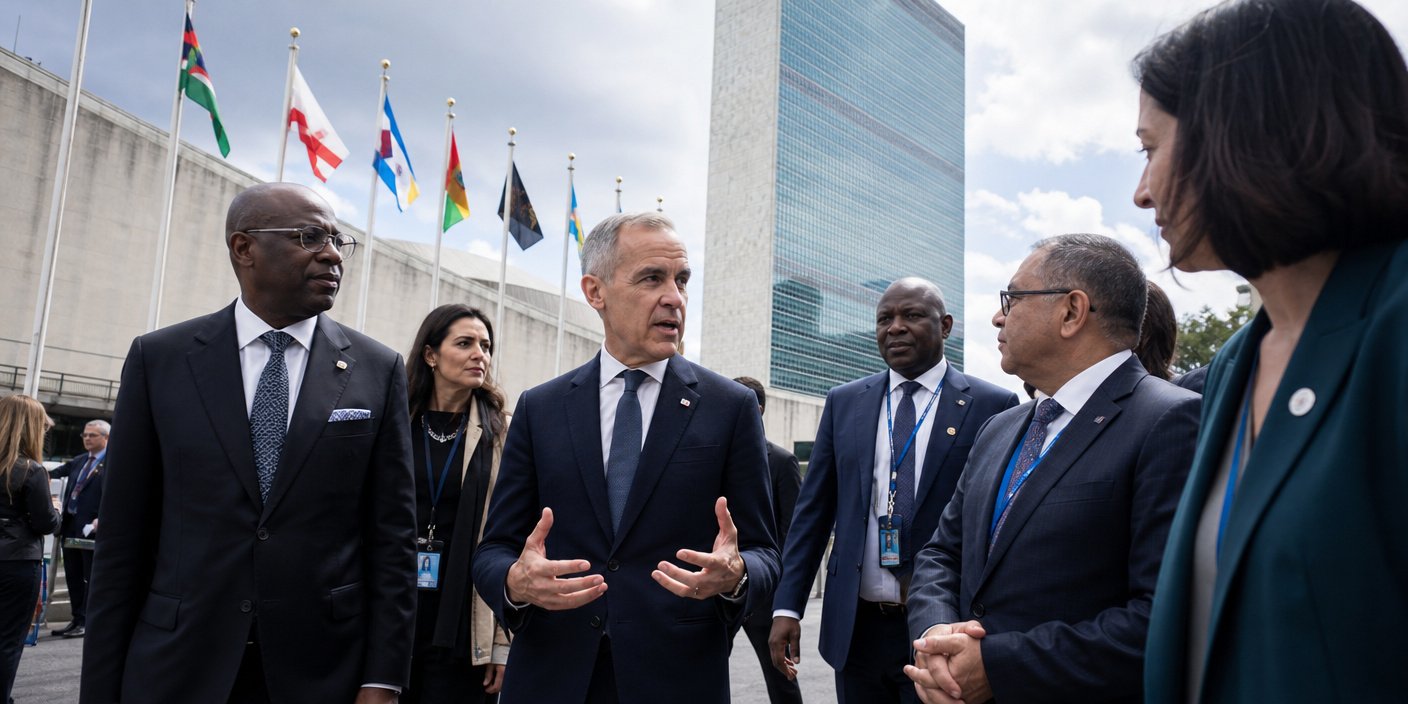
While the Iran situation dominates the security headlines, the economic narrative is being dictated by the ongoing Canada-U.S. trade war. Canadian Prime Minister Mark Carney, who has positioned himself as a pivotal negotiator during this summit, is using the UNGA to conduct critical diplomatic meetings aimed at de-escalating the trade disputes that are currently biting into both nations’ economies.
Prime Minister Carney’s approach is notably distinct from the standard trade rhetoric. By leveraging the multilateral nature of the UN, he is attempting to internationalize the dispute, framing it not just as a bilateral disagreement but as a threat to the G7 and global economic stability. Trade experts observing the summit highlight that the tariffs and counter-tariffs imposed by both sides have already begun to impact manufacturing, supply chains, and consumer pricing. Carney’s meetings in New York are widely seen as a “last-ditch effort” to find a diplomatic off-ramp before the economic damage becomes structural and irreversible. The G7 nations, in particular, are watching these developments closely, fearing that a protracted trade war between the two North American giants will erode the credibility of the World Trade Organization (WTO) at a moment when global markets require consistency.
Secondary Angle: The Economic Ripple Effect
Beyond the headlines of threats and trade, the underlying economic impact is substantial. The volatility surrounding the U.S.-Canada trade dispute has created a climate of uncertainty for multinational corporations. When trade relations are treated as tactical weapons in a larger geopolitical game, long-term investment cycles are disrupted. For Canadian industries—particularly in the energy and automotive sectors—the instability is beginning to affect credit ratings and market confidence. The UNGA serves as a flashpoint where these economic realities are being forced onto the center stage, making it clear that trade is no longer just a boardroom issue; it is a fundamental element of national security policy.
Secondary Angle: Historical Context of UN Volatility
History suggests that the UN General Assembly has often acted as a thermometer for global health. From the height of the Cold War to the post-9/11 security era, the General Assembly floor has frequently been the site of dramatic ideological confrontations. However, the current iteration is distinct in its lack of a mediating superpower. With the United States actively engaging in aggressive, unilateral trade and security policies, the traditional role of the U.S. as a broker of peace is being questioned. This shift forces other nations to adopt more defensive and reactive postures, which in turn reduces the space for genuine, long-term negotiation.
Secondary Angle: The Future of Multilateralism
Perhaps the most significant long-term prediction to emerge from this summit is the potential fragmentation of the international order. If the U.S.-Iran threats escalate into kinetic action, and if the U.S.-Canada trade war persists, we are witnessing the obsolescence of the multilateral framework that has governed the world since 1945. World leaders are not just debating policies; they are participating in the potential dismantling of the rules-based international system. The outcome of the meetings in New York this week will likely set the tone for the remainder of the decade, determining whether the world moves toward deeper integration or a period of profound isolationism.
FAQ: People Also Ask
Why is the UN General Assembly so critical during geopolitical tensions?
The UN General Assembly provides a unique physical venue where leaders can bypass standard diplomatic channels for direct, high-level negotiation. Even when rhetoric is heated, the proximity of leaders allows for back-channel communication that can potentially prevent total diplomatic collapse.
How does the current U.S.-Iran tension affect global energy markets?
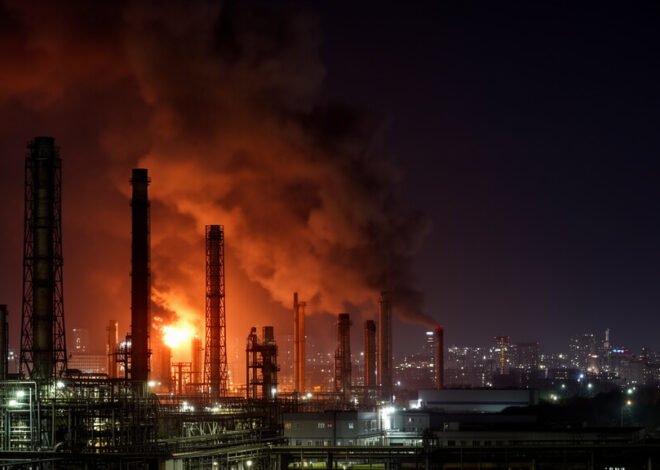
Because a significant portion of global oil transit passes through the Persian Gulf, any escalation in military rhetoric or threat of conflict immediately drives up oil futures. This volatility impacts inflation and energy costs worldwide, affecting consumer markets far beyond the immediate region of the conflict.
What is the broader impact of the Canada-U.S. trade war?
Beyond the specific tariffs, the dispute threatens to undermine the integrated North American supply chain. This integration is essential for the competitiveness of both countries against rising global powers. Continued friction threatens to drive up the cost of living and slow economic growth in both nations.


Related Posts