Kim and Correa Launch Bid for National Children’s Wellness Month
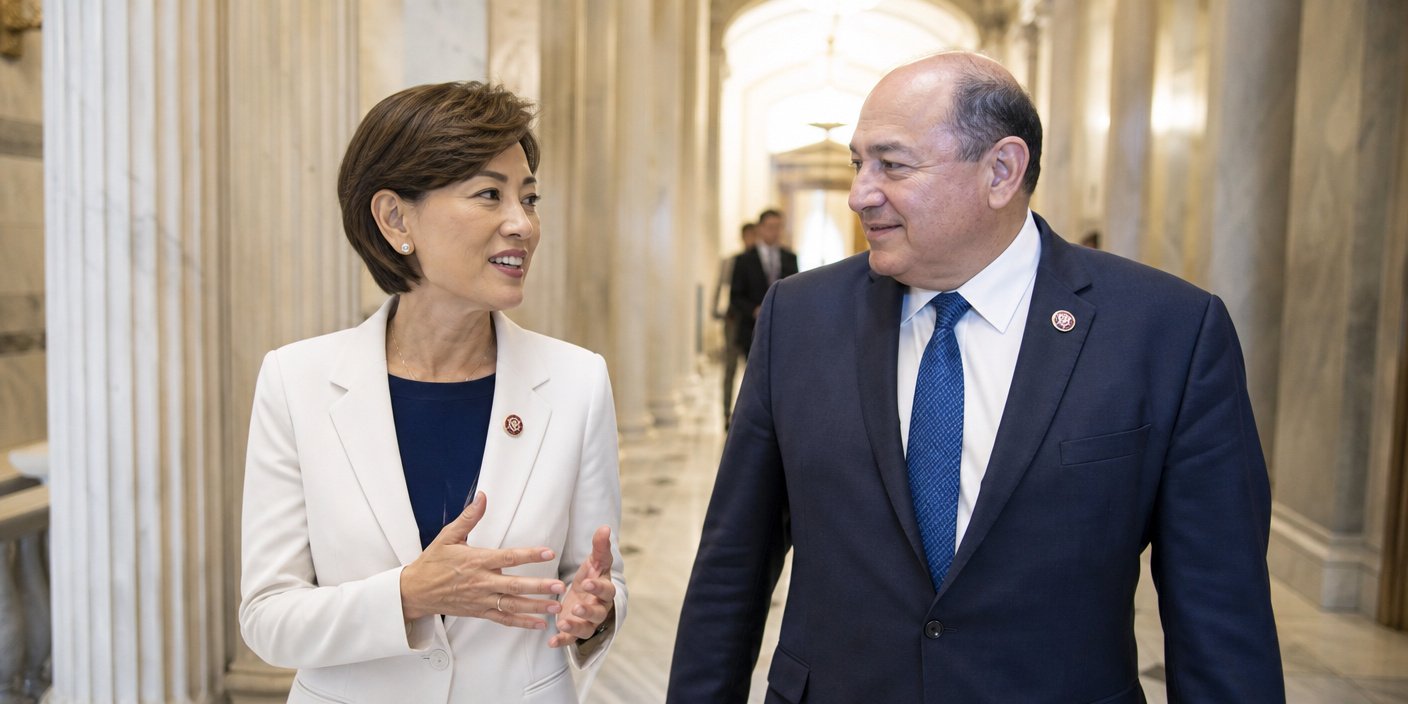
Representative Young Kim (R-CA) and Representative Lou Correa (D-CA) have officially introduced a federal resolution aimed at confronting the growing mental health crisis impacting American youth. The bipartisan initiative seeks to designate September as National Children’s Emotional Wellness Month, a strategic move designed to elevate public awareness and catalyze legislative and societal support for the millions of children currently navigating mental health disorders without access to adequate care. This resolution arrives at a critical juncture, as the nation grapples with record-high levels of anxiety, depression, and behavioral health challenges among its youngest citizens.
The Scope of the Youth Mental Health Crisis
The necessity for this resolution is grounded in stark, undeniable statistics. According to the data highlighted by the sponsors, 1 in 5 children in the United States currently struggles with a diagnosable mental, emotional, or behavioral disorder. This is not merely a statistical outlier; it represents a fundamental challenge to the developmental trajectory of the next generation. Even more alarming is the disparity in care: while these disorders are prevalent, only 20% of affected children currently receive the specialized mental health services they require. This massive gap in healthcare delivery—often referred to as the ‘treatment gap’—is a primary driver for the resolution.
The Legislative Strategy: Why September?
The selection of September as the proposed National Children’s Emotional Wellness Month is highly calculated. As the school year begins, children transition from the relative downtime of summer into the high-pressure environment of academic expectations, social navigation, and extracurricular commitments. This seasonal shift acts as a ‘pressure cooker’ for mental health symptoms. By establishing September as a month dedicated to emotional wellness, Rep. Kim and Rep. Correa hope to embed mental health check-ins and awareness programs into the very beginning of the academic calendar, when early intervention can be most effective.
Bridging the 80% Treatment Gap
The core of the resolution focuses on the 80% of children who remain unserved. Addressing this requires more than just awareness; it requires a systemic dismantling of the barriers preventing access. These barriers are multifaceted. First, there is a severe shortage of child and adolescent psychiatrists and psychologists, particularly in rural and underserved urban areas. Second, insurance coverage, while improved by legislation like the Mental Health Parity and Addiction Equity Act, remains complex and often fails to cover the specialized, long-term therapy that many children with complex disorders require. The resolution serves as a formal acknowledgment by the House of Representatives that this is a priority, signaling to federal agencies and state legislatures that they must prioritize funding for school-based health centers and integrated pediatric care models.
Bipartisan Consensus on a National Priority
In an era of deep political polarization, the cooperation between Rep. Kim and Rep. Correa is significant. It underscores a growing consensus that mental health is not a partisan issue but a foundational pillar of national stability. When children suffer from untreated mental health conditions, the impact ripples outward—affecting school performance, future workforce participation, and overall societal health. By introducing this resolution together, these lawmakers are framing children’s emotional wellness as a national security and economic imperative. The bipartisan support signals that addressing this crisis is a common-sense policy that has the potential to move forward, even in a gridlocked legislative environment.
Secondary Angles: Future Implications
1. The Role of Telehealth in Pediatric Care: With the legislative spotlight on emotional wellness, a secondary conversation is emerging regarding the permanence of telehealth regulations. For many children, physical access to specialists is the primary barrier; normalizing and funding telemental health for children could effectively ‘close the gap’ for that 80% of underserved youth.
2. Early Detection in Education Systems: The resolution highlights the need for better training for teachers and school staff. By designating September as an awareness month, the intent is to foster environments where educators are equipped to identify the early warning signs of emotional distress, thereby facilitating earlier referrals to specialists.
3. The Economics of Prevention: Proponents of the resolution argue that the fiscal cost of inaction is far higher than the cost of intervention. Untreated childhood mental health issues often translate into higher long-term costs for the justice system, special education services, and emergency room care. This resolution acts as a first step toward a broader fiscal argument for increased preventative mental health spending.
FAQ: People Also Ask
Q: What is the main goal of the resolution introduced by Rep. Kim and Rep. Correa?
A: The primary goal is to designate September as National Children’s Emotional Wellness Month to increase national awareness of the mental health crisis affecting youth and to promote improved access to specialized care, as 80% of children with disorders currently go untreated.
Q: Why is there such a large ‘treatment gap’ for children’s mental health?
A: The gap is caused by a complex combination of factors, including a severe shortage of specialized pediatric mental health providers, insurance coverage limitations, systemic barriers to accessing in-school care, and the ongoing social stigma that prevents parents and children from seeking help early.
Q: Does this resolution provide funding for mental health services?
A: This specific resolution is a symbolic measure designed to raise awareness and declare a national focus. While it does not directly allocate new budget funding, such resolutions are vital precursors that often lead to the creation of task forces, legislative hearings, and future spending bills by validating the issue as a national priority.


Related Posts