
Wellness Forecast 2028: Why ‘Longevity’ is Now the Industry’s North Star
The global wellness landscape is undergoing a profound metamorphosis, transitioning from a sector primarily focused on pampering and relaxation to one deeply entrenched in science-backed biological optimization. According to the debut release of ‘The Wellness Forecast’—a seminal report published by Live Love Spa, based on direct feedback from the industry’s front lines—Longevity has emerged as the definitive #1 growth trend that will dominate the market through 2028.
Data from the report underscores the intensity of this shift, with 74% of industry professionals identifying Longevity as the single biggest growth area for their businesses. This is not merely a passing interest; it represents a fundamental change in consumer demand. Clients are no longer just seeking a temporary escape; they are investing in long-term healthspan, biological age reversal, and proactive medical wellness. Alongside Longevity, the report highlights the ascendance of women’s health and nervous system regulation as critical pillars of the modern wellness business model, signaling a broader pivot toward personalized, preventative care.
Key Highlights
- Longevity Dominance: 74% of industry professionals cite Longevity as the top growth area, marking a massive pivot from aesthetic-only treatments to deep, biological health support.
- The Nervous System Shift: There is a surge in demand for services targeting nervous system regulation, reflecting a societal move away from ‘burnout culture’ and toward restorative biology.
- Revolution in Women’s Health: Wellness providers are shifting from basic reproductive care to comprehensive, life-stage-specific support, emphasizing personalization and data-driven interventions.
- Proactive Personalization: The industry is moving away from generic, one-size-fits-all spa menus in favor of targeted, data-backed health optimization strategies.
The Age of Biological Optimization: Analyzing the 2028 Roadmap
The findings from ‘The Wellness Forecast’ provide a mirror into the current consciousness of the global consumer. For years, the wellness industry was divided into two distinct camps: the ‘medical’ side, dominated by clinics and doctors, and the ‘spa’ side, focused on relaxation and beauty. The 2028 forecast predicts the final erosion of this wall. As 74% of professionals point to Longevity as the primary revenue driver, we are seeing the emergence of a hybrid model—the ‘Medi-Spa’ 2.0.
The Longevity Mandate
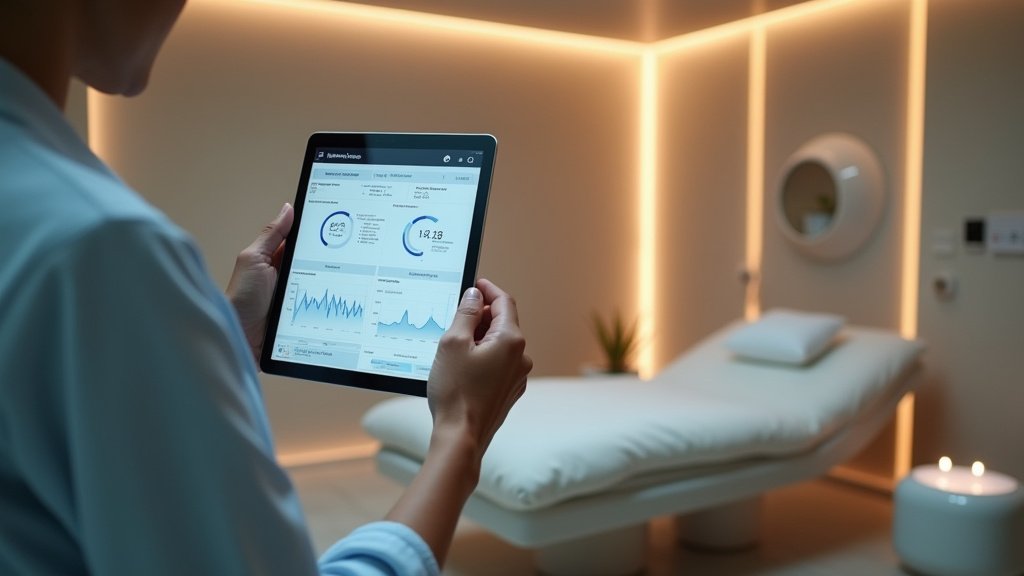
Why now? The surge in interest is partly fueled by advancements in diagnostic technology. Consumers now have affordable access to biomarker testing, continuous glucose monitors (CGMs), and DNA-based health insights. When a customer walks into a spa in 2025, they are no longer just guessing at their health needs; they are often bringing data to the table. The industry is responding by offering services that address the ‘hallmarks of aging,’ such as cellular health, mitochondrial function, and systemic inflammation. The business implication is clear: spas that fail to integrate science-based longevity protocols risk obsolescence by 2028.
Nervous System Regulation: The New Essential
While Longevity provides the scientific ‘hook,’ nervous system regulation addresses the most acute pain point for the modern client: chronic stress and burnout. The Wellness Forecast identifies this as a top-tier priority. This trend is not about standard massage therapy; it involves modalities that specifically target the vagus nerve, cortisol reduction, and sympathetic nervous system calming. Think sound therapy, cold-plunge recovery, and meditative neuro-feedback. This is the biological ‘reset’ that busy, high-performance clients are willing to pay a premium for.
Women’s Health: Beyond the Basics
Historically, ‘women’s health’ in the spa industry was largely relegated to pre-natal massage or basic skin care. The Live Love Spa report indicates a much more sophisticated future. As the conversation around menopause, perimenopause, and hormonal health enters the mainstream, businesses are rapidly expanding their capabilities. The 2028 outlook suggests a shift toward hormone-balancing treatments, pelvic floor physical therapy integration, and menopause-specific wellness suites. It is a transition from ‘pampering women’ to ‘supporting women through critical life transitions.’
The Economic Impact and Secondary Angles
#### 1. The Monetization of Prevention
There is a massive economic transition occurring: we are seeing a shift from ‘sick-care’ to ‘proactive-care.’ Insurance companies and employers are beginning to see the value in preventative health, and the wellness industry is positioning itself to capture this spend. By 2028, we expect to see ‘wellness subscriptions’ replace one-off service models, creating predictable recurring revenue streams centered around long-term health outcomes.
#### 2. The Technological Integration Barrier
This shift brings a challenge: technical literacy. To offer longevity-focused services, spa owners must become comfortable with data. The ‘The Wellness Forecast’ implies that the winning businesses of 2028 will be those that effectively bridge the gap between human touch and high-tech diagnostics. This requires staff training that moves beyond massage techniques to understanding biomarkers and data-informed wellness plans.
#### 3. Ethical and Regulatory Considerations
As the industry moves closer to ‘medical’ territory, it inevitably invites more scrutiny. A secondary, critical angle identified in our analysis is the need for regulation. As spas offer more invasive or scientifically sensitive treatments, the barrier to entry will rise. Those who can navigate the ethical waters of ‘bio-hacking’ without over-promising medical outcomes will be the ones that survive the coming regulatory shifts.
FAQ: People Also Ask
What is the primary trend identified in Live Love Spa’s new report?
Longevity is the definitive number one trend. With 74% of industry professionals identifying it as their biggest area of growth, it is projected to dictate the direction of the global wellness industry through 2028.
How does the industry define ‘Nervous System Regulation’ in this context?
It refers to specialized modalities designed to calm the central nervous system, manage cortisol levels, and mitigate the physical effects of chronic stress. It represents a shift from purely aesthetic or relaxation services to functional biological support.
Why is Women’s Health singled out in the 2028 forecast?
Because the market is moving away from one-size-fits-all treatments. The report highlights that women are seeking personalized support for distinct life stages, specifically hormonal health and menopause, which were previously underserved sectors in the wellness industry.
Will traditional spa treatments disappear?
Not at all. However, they will be ‘elevated.’ The Forecast suggests that traditional services (like massage or facials) will likely be integrated into broader, science-backed protocols rather than existing as standalone, disconnected offerings.


Related Posts