The Arts Prescription: New UN Roadmap Unveils Global Health Shift
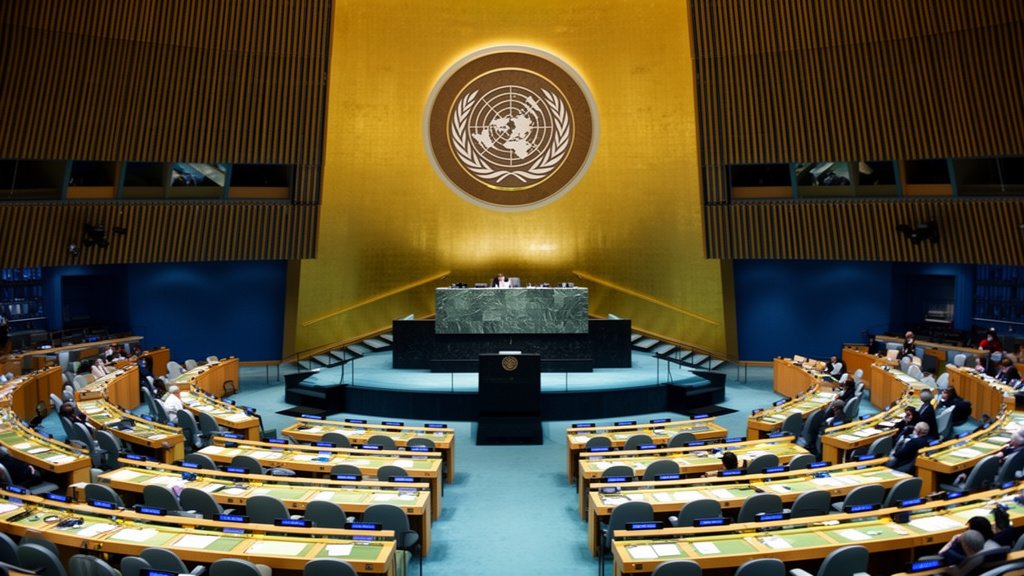
At the 79th United Nations General Assembly in New York City, global leaders and health experts unveiled a transformative roadmap designed to systematically integrate creativity, culture, and the arts into the fabric of national and international health policies. This initiative represents a seismic shift in public health, moving beyond traditional clinical interventions to acknowledge the tangible, physiological, and psychological benefits of arts-based approaches. By establishing a rigorous framework for implementation, the roadmap provides nations with the tools to foster healthier societies through non-pharmacological, evidence-based practices that address the root causes of the modern mental health crisis and the rising tide of non-communicable diseases (NCDs).
Key Highlights
- Evidence-Based Integration: The roadmap establishes a scientific foundation for arts in health, shifting perception from ‘recreational’ to ‘clinical intervention.’
- UN-WHO Partnership: Developed in close collaboration with the World Health Organization (WHO) and the Jameel Arts & Health Lab, ensuring alignment with global health targets.
- Social Prescribing Models: A core focus is scaling ‘social prescribing,’ where healthcare providers refer patients to arts-based programs to reduce reliance on pharmaceuticals.
- Policy Implementation: Providing member states with concrete strategies to embed creative programs into healthcare budgets and training curricula.
- Holistic Wellness: Aiming to combat the growing burden of NCDs and mental health issues by addressing social isolation and community wellbeing.
The Prescription of Culture: A New Paradigm for Global Wellness
For decades, public health policy has been dominated by the biomedical model—a framework that, while highly successful in treating infectious diseases and acute trauma, has struggled to address the nuanced, chronic, and lifestyle-related conditions defining the 21st century. The roadmap launched at the UN General Assembly challenges this limitation, positing that human wellbeing is inextricably linked to cultural engagement. By embedding arts and creativity into policy, the WHO and its partners are not merely suggesting ‘activities,’ but rather establishing a legitimate, scalable, and measurable health infrastructure.
Beyond Aesthetics: The Scientific Foundation
The pivot towards ‘arts in health’ is backed by a growing body of data. Research presented alongside the roadmap highlights how music therapy, visual arts engagement, and community performance can actively reduce cortisol levels, improve cognitive function in dementia patients, and accelerate recovery times in post-operative care. This is not anecdotal; it is neurological. The roadmap provides member states with a repository of peer-reviewed data, effectively demystifying the ‘artistic process’ and reclassifying it as a health-promoting behavior that influences brain plasticity and immune response.
The Policy Framework: From Theory to Implementation
The central challenge addressed by the roadmap is scalability. Historically, arts-health initiatives have existed as isolated, small-scale pilot programs. The new framework introduces an architecture for policy integration, focusing on three pillars:
1. Professional Training: Integrating arts-in-health modules into medical and nursing school curricula to ensure practitioners understand the clinical efficacy of creative interventions.
2. Financial Infrastructure: Recommending that national health budgets allocate specific funding streams for arts-based social prescribing, treating these programs with the same fiscal validity as traditional therapy.
3. Community Infrastructure: Partnering with ministries of culture to utilize museums, galleries, and community centers as ‘clinical extensions,’ where healthcare can occur in non-stigmatized, accessible environments.
Economic and Social Cascades: The ROI of Creativity
One of the most compelling aspects of this roadmap is its economic justification. Global health systems are currently facing unsustainable cost increases driven by NCDs. The report outlines that by utilizing arts-based interventions for preventative care and chronic disease management, governments can reduce the burden on acute care services. Social isolation, a major driver of depression and cardiovascular disease, can be effectively mitigated through community arts participation. By fostering social cohesion, nations can lower long-term healthcare expenditures while simultaneously improving population-level mental health metrics.
Future-Proofing Healthcare Systems: The Path Ahead
As we look toward 2030, the integration of arts into global health is projected to become a standard metric for measuring the success of national health policies. Future iterations of this roadmap are expected to explore AI-driven personalized ‘arts prescriptions,’ where digital platforms suggest specific creative activities based on a patient’s medical data, genetic predisposition, and environmental stressors. This roadmap is the starting gun for a new era where a prescription pad might contain not just a medication, but an invitation to engage with the world in a way that heals.
FAQ: People Also Ask
Q: What is ‘social prescribing’ as mentioned in the roadmap?
A: Social prescribing is a system where healthcare professionals refer patients to local, non-clinical services—such as arts groups, choir sessions, or painting classes—to support their health and wellbeing, often used to address loneliness and mental health.
Q: Will this replace traditional medical treatment?
A: No. The roadmap emphasizes ‘integration.’ Arts and culture are intended to complement, not replace, clinical treatments. It is a dual-approach strategy for holistic care.
Q: Who is responsible for implementing these policies?
A: While the roadmap provides the global framework, the actual implementation lies with national governments and ministries of health, working in tandem with the WHO and local cultural organizations.
Q: How does this address the current mental health crisis?
A: By focusing on community connectivity and personal expression, arts-based initiatives help reduce the profound isolation that fuels anxiety and depression, providing a preventative mental health layer that clinical systems currently lack.


Related Posts